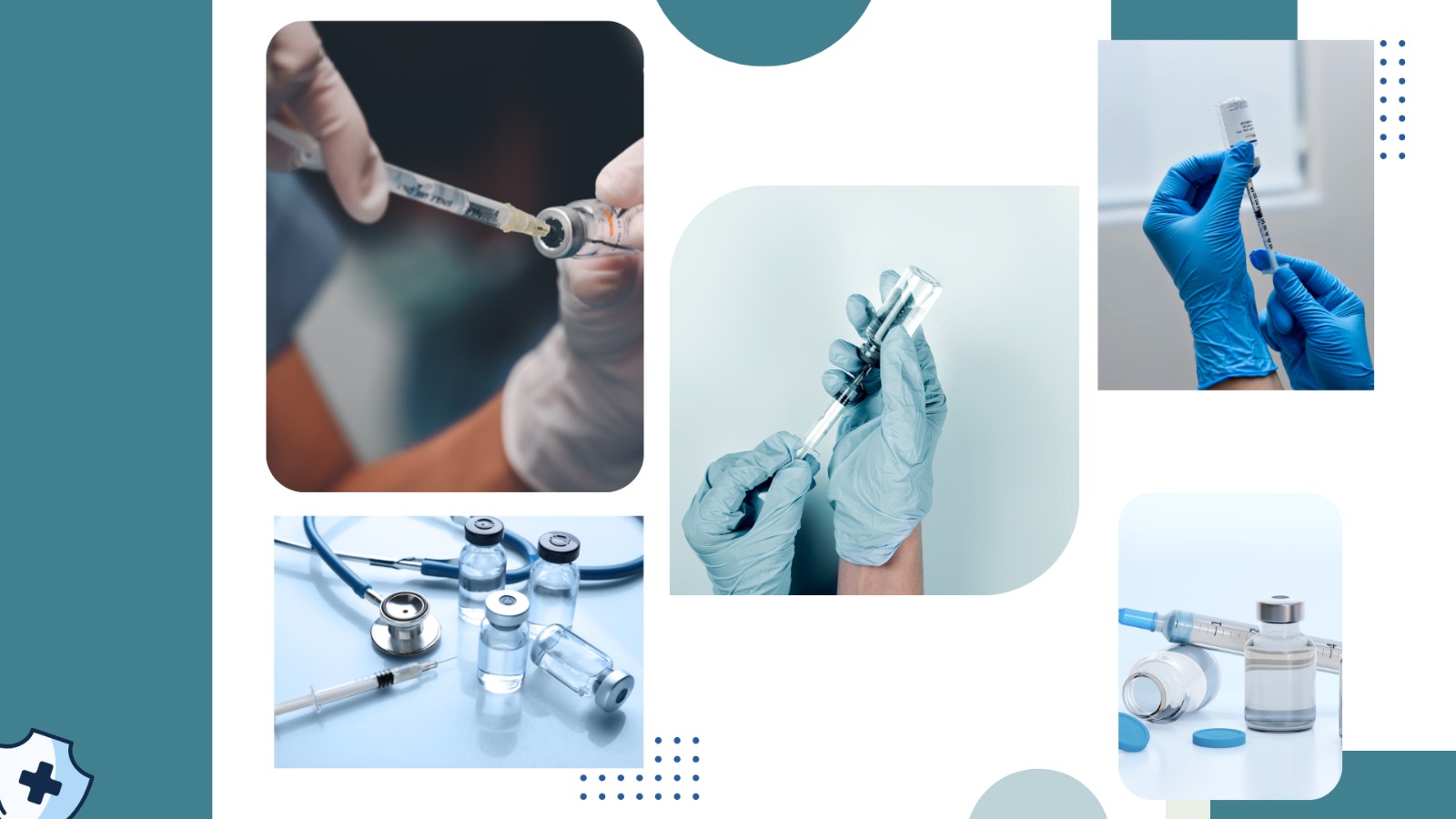
In recent years, home healthcare has become increasingly popular, offering patients the comfort of receiving medical treatment in their own homes. Services like injections and IV (intravenous) drips, which were once limited to hospitals, are now commonly administered at home. While this convenience brings many benefits, it also introduces a critical responsibility—maintaining strict infection control.
Unlike hospitals, where infection prevention protocols are strictly enforced and monitored, home environments may not always be prepared for medical procedures. This makes infection control during home injections and IV drips not just important, but absolutely essential for patient safety.
Even a small lapse in hygiene or sterilization can lead to serious complications, including infections, delayed recovery, or hospitalization. Understanding why infection control matters—and how to implement it—can make a significant difference in ensuring safe and effective care at home.
Understanding Infections in Home Healthcare
An infection occurs when harmful microorganisms such as bacteria, viruses, or fungi enter the body and multiply. During injections or IV therapy, the skin is punctured, creating a direct pathway for these microorganisms to enter the bloodstream.
Why Home Settings Are More Vulnerable
- Lack of medical-grade sterilization
- Improper handling of equipment
- Untrained caregivers
- Poor hygiene practices
These factors increase the risk of infections compared to controlled hospital environments.
Common Types of Infections Linked to Injections & IV Drips
Understanding potential risks helps in preventing them effectively.
1. Local Skin Infections
These occur at the injection or IV site and may include redness, swelling, pain, or pus formation.
2. Bloodstream Infections
If bacteria enter the bloodstream, it can lead to serious conditions like sepsis, which can be life-threatening.
3. IV Line Infections
Improper handling of IV lines can lead to contamination, increasing infection risk over time.
4. Cross-Contamination
Using unclean hands or equipment can transfer bacteria from one surface or person to another.
Why Infection Control Is Critical
Infection control is not just about cleanliness—it’s about preventing complications that can escalate quickly.
1. Protects Patient Health
Patients receiving home care are often already vulnerable due to illness, surgery, or weakened immunity. Even minor infections can become severe.
2. Prevents Hospital Readmissions
Many patients end up back in the hospital due to infections that could have been avoided with proper care at home.
3. Ensures Faster Recovery
A clean and infection-free environment allows the body to heal without additional stress.
4. Reduces Healthcare Costs
Avoiding infections means fewer doctor visits, medications, and hospital stays.
5. Builds Trust in Home Healthcare
When proper infection control is maintained, families feel more confident about choosing home-based medical services.
Key Infection Control Practices During Home Injections
Following basic but strict practices can significantly reduce infection risks.
Hand Hygiene: The First Line of Defense
Proper hand hygiene is the most effective way to prevent infections.
What Should Be Done
- Wash hands thoroughly with soap and water
- Use alcohol-based sanitizers
- Clean hands before and after every procedure
Why It Matters
Hands are the most common carriers of germs. Clean hands can prevent most infections before they even begin.
Use of Sterile Equipment
Every injection or IV procedure must involve sterile, single-use equipment.
Essential Items
- Sterile needles and syringes
- Disposable gloves
- Clean IV sets
Important Rule
Never reuse needles or syringes, even for the same patient.
Proper Skin Preparation
Before administering an injection or inserting an IV line, the skin must be properly disinfected.
Steps
- Clean the area with antiseptic solution
- Allow it to dry completely
- Avoid touching the cleaned area
Why It Matters
This step removes bacteria from the skin surface, reducing the risk of infection.
Safe Injection Practices
Correct technique is just as important as cleanliness.
Best Practices
- Use correct injection sites
- Avoid unnecessary injections
- Dispose of sharps safely
Risks of Poor Technique
Improper injections can cause tissue damage, pain, and infection.
Infection Control in IV Therapy at Home
IV drips require even more attention, as they involve prolonged access to the bloodstream.
Maintaining IV Line Hygiene
- Keep the IV site clean and covered
- Avoid touching the IV line unnecessarily
- Change dressings as instructed
Monitoring the IV Site
Check regularly for signs of infection:
- Redness
- Swelling
- Pain
- Leakage
Immediate action should be taken if any of these symptoms appear.
Proper Fluid Handling
- Use only prescribed IV fluids
- Ensure the fluid is not expired
- Maintain cleanliness while handling
Contaminated fluids can directly introduce infection into the bloodstream.
While basic infection control practices are essential, ensuring safety during home injections and IV drips also depends on awareness, consistency, and attention to detail. Even small oversights can increase the risk of infection, especially when procedures are repeated over several days.
Let’s explore deeper precautions, common mistakes, and how families can create a safe care environment at home.
Common Mistakes That Increase Infection Risk
Even with good intentions, families and caregivers often make avoidable mistakes.
1. Reusing Equipment
Some people mistakenly reuse syringes or needles to save cost or time. This is extremely dangerous and can lead to serious infections.
2. Skipping Hand Hygiene
Not washing hands properly before procedures is one of the most common causes of infection.
3. Touching Sterile Areas
Touching the needle, injection site, or IV connection with unclean hands can introduce bacteria directly into the body.
4. Improper Storage of Medical Supplies
Keeping medical items in unclean or humid environments can contaminate them.
5. Ignoring Early Signs of Infection
Delaying action when symptoms appear can worsen the condition quickly.
Role of Caregivers in Infection Control
Caregivers play a central role in maintaining hygiene and ensuring safe practices.
Responsibilities of Caregivers
- Follow strict hygiene protocols
- Use only sterile and prescribed materials
- Monitor the patient regularly
- Maintain cleanliness of the surroundings
Why Caregiver Awareness Matters
Even the best medical advice is ineffective if not followed correctly at home. Proper training and awareness can prevent most infection-related complications.
Creating a Safe Home Care Environment
A clean and organized environment supports infection prevention.
What You Should Do
- Keep the procedure area clean and clutter-free
- Disinfect surfaces regularly
- Ensure good ventilation
- Keep pets away during procedures
Why It Helps
A controlled environment reduces exposure to harmful microorganisms and improves overall safety.
Safe Disposal of Medical Waste
Proper disposal of used medical items is often overlooked but is crucial for infection control.
What Needs Safe Disposal
- Used needles and syringes
- Cotton swabs and gauze
- IV tubing and sets
Best Practices
- Use puncture-proof containers for sharps
- Do not throw medical waste in regular bins
- Follow local biomedical waste disposal guidelines
Improper disposal can spread infections within the household and community.
Monitoring and Early Detection
Early identification of infection can prevent serious complications.
Warning Signs to Watch For
- Fever or chills
- Redness or swelling at the injection/IV site
- Pain or tenderness
- Unusual discharge
- Fatigue or weakness
What to Do
- Contact a healthcare professional immediately
- Do not ignore symptoms
- Avoid self-medication without advice
Timely action can prevent minor infections from becoming severe.
Importance of Professional Healthcare Assistance
While some families attempt to manage injections at home, professional assistance is always safer.
Benefits of Hiring Trained Professionals
- Proper sterile techniques
- Accurate administration of medication
- Ability to handle emergencies
- Reduced risk of complications
When to Seek Professional Help
- Regular IV therapy
- Patients with weak immunity
- Complex medical conditions
- Lack of trained caregivers
Professional care ensures safety, accuracy, and peace of mind.
Building Awareness and Consistency
Infection control is not a one-time effort—it requires consistent practice.
Key Habits to Follow
- Always prioritize hygiene
- Never compromise on sterile practices
- Stay informed about proper techniques
- Educate all family members involved in care
Consistency in small actions leads to big improvements in safety.
Final Thoughts: Small Precautions, Big Protection
Infection control during home injections and IV drips may seem like a minor concern, but its impact is significant. A single lapse can lead to complications that are difficult and costly to manage.
By following proper hygiene practices, using sterile equipment, and staying alert to warning signs, families can create a safe environment for home healthcare.
Conclusion
Infection control is the foundation of safe and effective home healthcare, especially during procedures like injections and IV drips. While home-based care offers comfort and convenience, it also requires a high level of responsibility to maintain hygiene and prevent infections.
From proper hand hygiene and sterile equipment use to safe disposal and early detection of symptoms, every step plays a crucial role in protecting the patient’s health. Avoiding common mistakes and ensuring caregiver awareness can significantly reduce risks.
Ultimately, combining knowledge, caution, and consistency can help families provide safe, reliable, and infection-free care at home—ensuring better recovery outcomes and peace of mind for everyone involved.