Author: Nikhil Bhavsar

  • Home vs Hospital: When Is IV Infusion at Home a Better Option?

    Home vs Hospital: When Is IV Infusion at Home a Better Option?

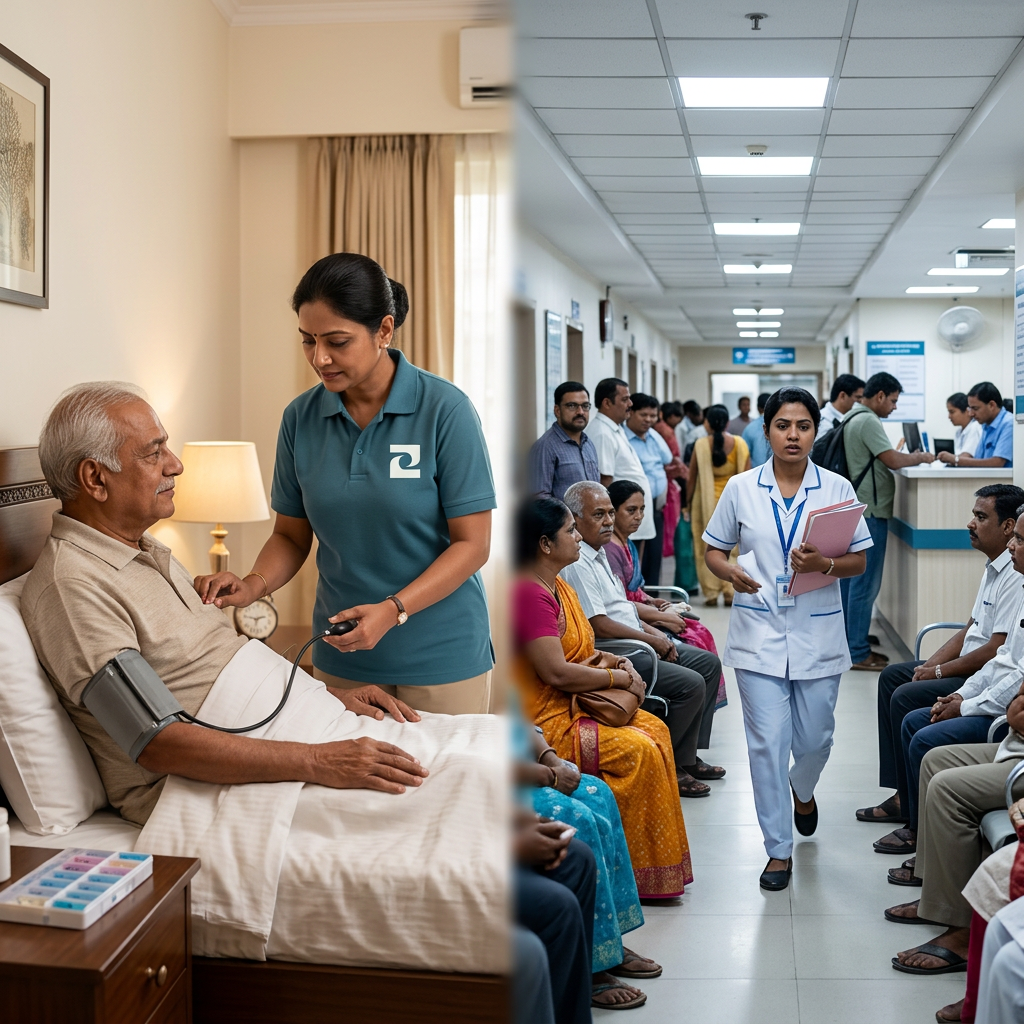
    Healthcare is evolving rapidly, and one of the most significant shifts in recent years has been the rise of home-based medical care. Among these advancements, IV (intravenous) infusion therapy at home has become an increasingly popular alternative to hospital-based treatment. Whether it’s for hydration, antibiotics, nutritional support, or chronic illness management, patients and families are now exploring the option of receiving care in the comfort of their own homes.

    But is home IV infusion always the better choice? Or are there situations where hospital care is still the safer route? Let’s explore both options in depth to help you make an informed decision.


    What Is IV Infusion Therapy?

    IV infusion therapy involves delivering fluids, medications, or nutrients directly into a patient’s bloodstream through a vein. This method ensures fast absorption and immediate effectiveness, making it ideal for conditions that require urgent or consistent treatment.

    Common uses of IV infusion include:

    • Dehydration treatment
    • Antibiotic therapy
    • Pain management
    • Chemotherapy
    • Nutritional support (TPN)
    • Chronic disease management

    Traditionally, these treatments were only available in hospitals or clinics. However, with advancements in medical technology and trained home healthcare professionals, many of these therapies can now be safely administered at home.


    IV Infusion at Home: What Does It Mean?

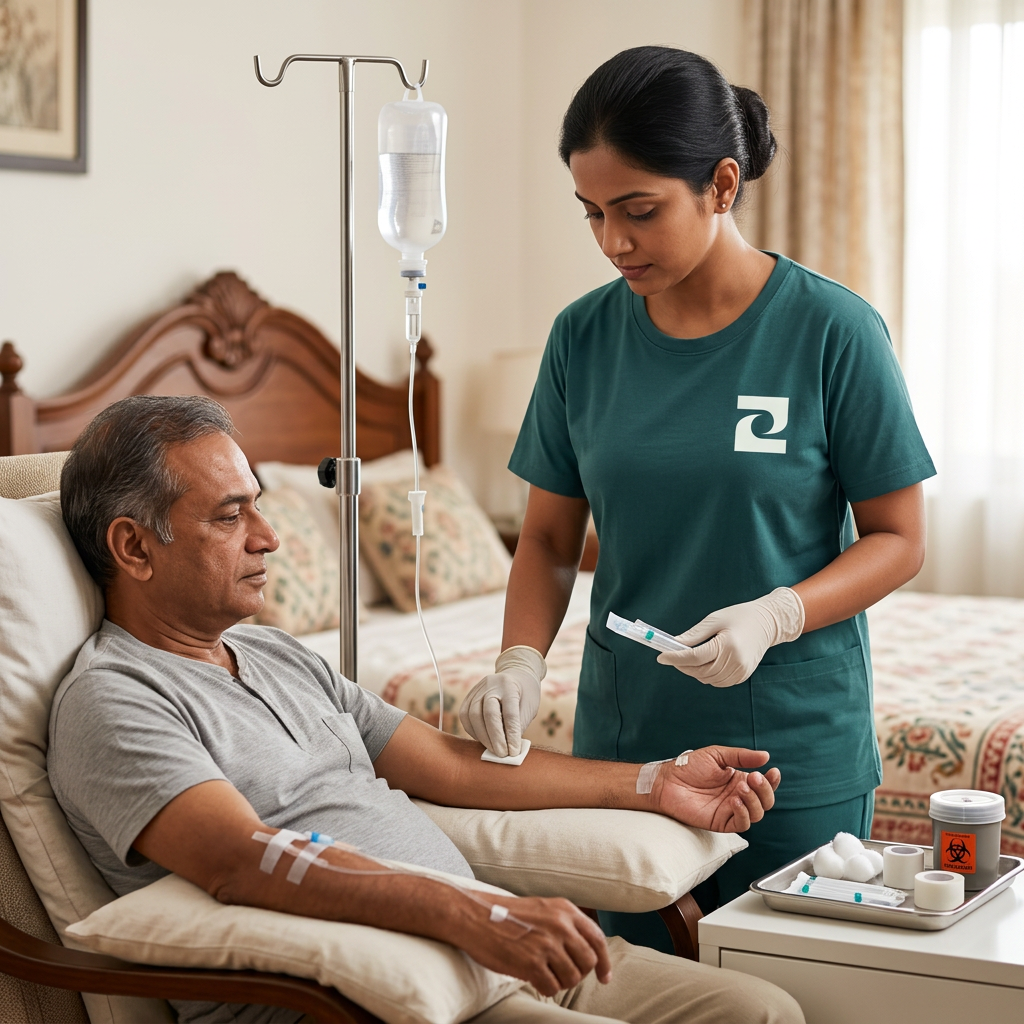
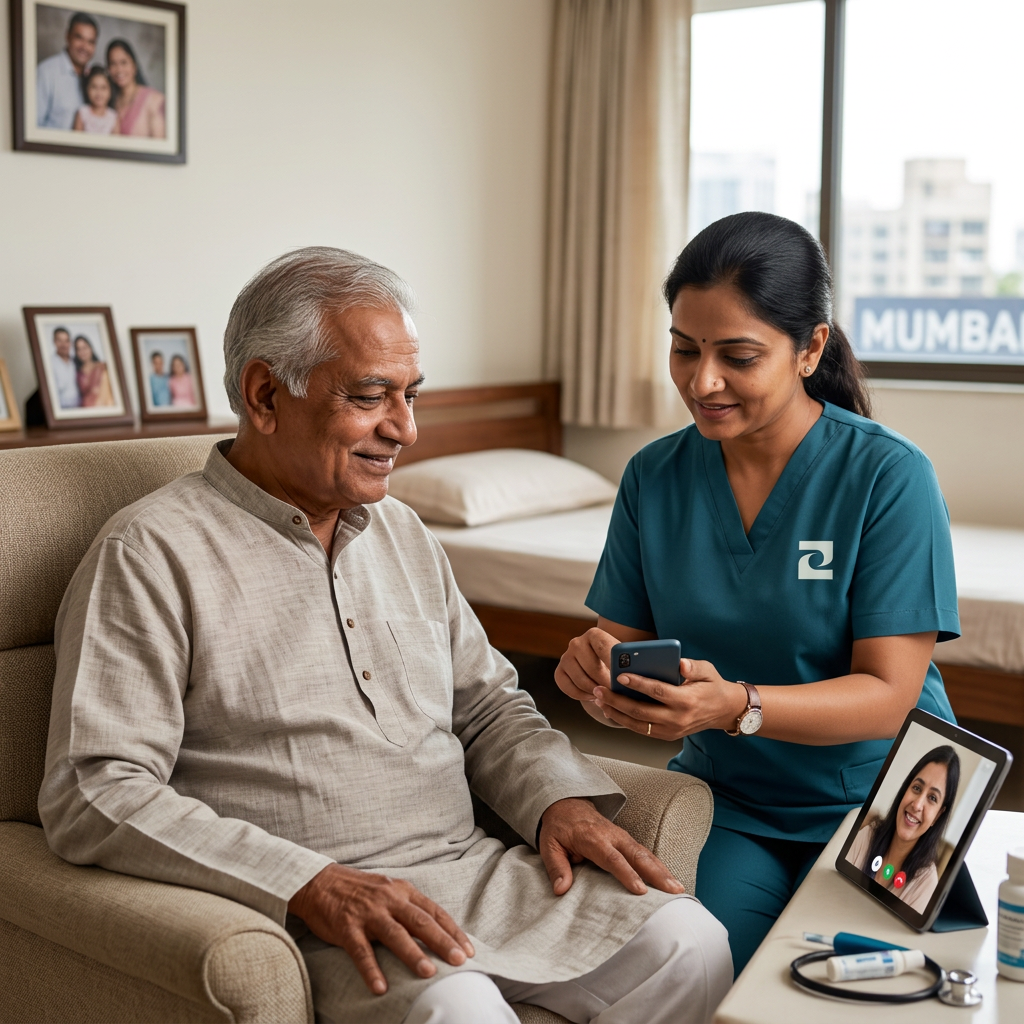
    Home IV infusion involves a trained nurse or healthcare provider visiting the patient’s home to administer therapy. In some cases, patients or caregivers are also trained to manage the infusion under supervision.

    This model of care is designed to combine medical efficiency with personal comfort, offering a more relaxed and familiar healing environment.


    Benefits of IV Infusion at Home

    1. Comfort and Convenience

    One of the biggest advantages is the comfort of being in your own space. Patients can rest in their own bed, eat home-cooked meals, and stay close to family.

    This is especially beneficial for:

    • Elderly patients
    • Children
    • Patients with mobility issues

    2. Reduced Risk of Infections

    Hospitals, while essential, can expose patients to hospital-acquired infections (HAIs). Receiving treatment at home significantly reduces this risk, particularly for individuals with weakened immune systems.

    3. Cost-Effective Option

    Hospital stays can be expensive due to room charges, equipment fees, and additional services. Home infusion therapy often reduces these costs while maintaining quality care.

    4. Personalized Care

    At home, patients typically receive one-on-one attention from healthcare providers. This leads to:

    • Better monitoring
    • Faster response to issues
    • More customized care plans

    5. Emotional and Mental Well-Being

    Being in a familiar environment can significantly improve a patient’s mental health. Reduced stress and anxiety often lead to faster recovery.


    When Is Home IV Infusion a Better Option?

    Home IV therapy is ideal in the following situations:

    Stable Medical Conditions

    Patients who are medically stable and do not require constant supervision can safely receive treatment at home.

    Long-Term Treatment Needs

    Conditions requiring extended therapy, such as:

    • Long-term antibiotics
    • Chronic illnesses
    • Nutritional therapy

    Post-Hospital Recovery

    Patients discharged from the hospital but still needing IV treatment can continue care at home without prolonging their hospital stay.

    Palliative and Elderly Care

    Home care allows patients to spend more time with loved ones while receiving necessary medical support.


    Limitations of Home IV Infusion

    While home infusion has many advantages, it is not suitable for everyone.

    1. Emergency Situations

    Patients with critical or unstable conditions require immediate access to emergency equipment and specialists, which is only available in hospitals.

    2. Complex Medical Needs

    Some treatments involve:

    • Advanced monitoring
    • Specialized equipment
    • Multi-disciplinary care

    These are best handled in a hospital setting.

    3. Lack of Immediate Backup

    In case of complications such as:

    • Allergic reactions
    • IV line issues
    • Sudden deterioration

    Hospitals provide faster emergency intervention.

    4. Caregiver Responsibility

    Home care may require involvement from family members, which can be physically and emotionally demanding.


    Hospital IV Infusion: When Is It Necessary?

    Hospitals remain the best choice in the following scenarios:

    Critical Illness

    Patients in ICU or those with life-threatening conditions need continuous monitoring and rapid medical response.

    Complex Procedures

    Treatments requiring advanced diagnostics or multiple specialists should be done in a hospital.

    Unpredictable Conditions

    If a patient’s condition is unstable or rapidly changing, hospital care ensures safety.

    Initial Diagnosis Phase

    When doctors are still assessing a condition and determining treatment, hospital observation is crucial.


    Comparing Home vs Hospital IV Infusion

    FactorHome IV InfusionHospital IV Infusion
    ComfortHighLow
    CostLowerHigher
    Infection RiskLowerHigher
    MonitoringLimitedContinuous
    Emergency SupportLimitedImmediate
    Personal AttentionHighModerate

    Safety Measures for Home IV Infusion

    To ensure safe and effective treatment at home, certain precautions are essential:

    • Always use trained and certified healthcare professionals
    • Maintain strict hygiene and sterilization
    • Regularly monitor vital signs
    • Keep emergency contacts ready
    • Follow doctor’s instructions carefully

    Proper planning and communication between patients, caregivers, and healthcare providers are key to successful home treatment.


    The Growing Trend of Home Healthcare

    The demand for home healthcare services is rising due to:

    • Aging population
    • Increased chronic illnesses
    • Technological advancements
    • Patient preference for comfort

    Healthcare providers are also recognizing the benefits of reducing hospital overcrowding while maintaining quality care at home.


    Final Thoughts

    Choosing between home and hospital IV infusion depends largely on the patient’s medical condition, stability, and care requirements.

    Home IV infusion is a better option when:

    • The patient is stable
    • Treatment is long-term
    • Comfort and convenience are priorities

    Hospital care is essential when:

    • The condition is critical or unpredictable
    • Advanced monitoring is needed
    • Immediate emergency care may be required

    Ultimately, the decision should always be made in consultation with a qualified healthcare professional who can evaluate the risks and benefits based on individual needs.


    Conclusion

    IV infusion therapy at home is transforming the way patients experience healthcare. It offers a perfect blend of comfort, affordability, and personalized care, making it an excellent option for many individuals.

    However, it is not a one-size-fits-all solution. Understanding when to choose home care versus hospital treatment is crucial for ensuring safety and effective recovery.As healthcare continues to evolve, the goal remains the same: providing the right care, at the right place, at the right time.

  • Top Benefits of Hiring a Home Nurse After Surgery

    Top Benefits of Hiring a Home Nurse After Surgery

    Recovering from surgery is a delicate and highly important phase of healthcare. While a successful surgical procedure is essential, proper post-operative care is what truly determines how well and how fast a patient heals. In today’s fast-paced world, patients and families are increasingly choosing home-based recovery supported by professional nursing care instead of prolonged hospital stays.

    Home Health Solutions offers reliable, trained, and compassionate home nursing services designed to support patients during their recovery journey. With expert medical supervision delivered in the comfort of one’s home, patients experience safer healing, better emotional well-being, and improved quality of life.

    In this blog, we explore the top benefits of hiring a home nurse after surgery and how Home Health Solutions ensures a smooth, stress-free, and medically supervised recovery.


    1. Personalized One-on-One Care

    One of the biggest advantages of hiring a home nurse through Home Health Solutions is individualized medical attention. Unlike hospitals where nurses care for multiple patients simultaneously, a home nurse is dedicated to one patient at a time.

    At Home Health Solutions, care plans are personalized based on:

    • Type of surgery (orthopedic, cardiac, neurological, general, etc.)
    • Doctor’s post-operative instructions
    • Patient’s age and existing medical conditions
    • Recovery progress and pain tolerance

    This focused approach leads to better monitoring, timely interventions, and a safer recovery experience.


    2. Faster Recovery in a Familiar Environment

    Healing at home provides emotional comfort that hospitals often cannot. Being surrounded by family, familiar routines, and personal space significantly reduces stress and anxiety.

    Home Health Solutions ensures that patients:

    • Follow prescribed recovery routines
    • Receive timely assistance without disruptions
    • Maintain better sleep and rest cycles

    Reduced stress levels directly improve immunity and accelerate healing, helping patients recover faster and more comfortably.


    3. Lower Risk of Hospital-Acquired Infections

    Post-surgical patients are more vulnerable to infections due to weakened immunity. Hospitals, despite strict hygiene protocols, expose patients to hospital-acquired infections (HAIs).

    By choosing Home Health Solutions’ home nursing services, patients benefit from:

    • A clean, controlled home environment
    • Reduced exposure to drug-resistant bacteria
    • Safer wound healing conditions

    This significantly lowers infection risks and post-surgery complications.


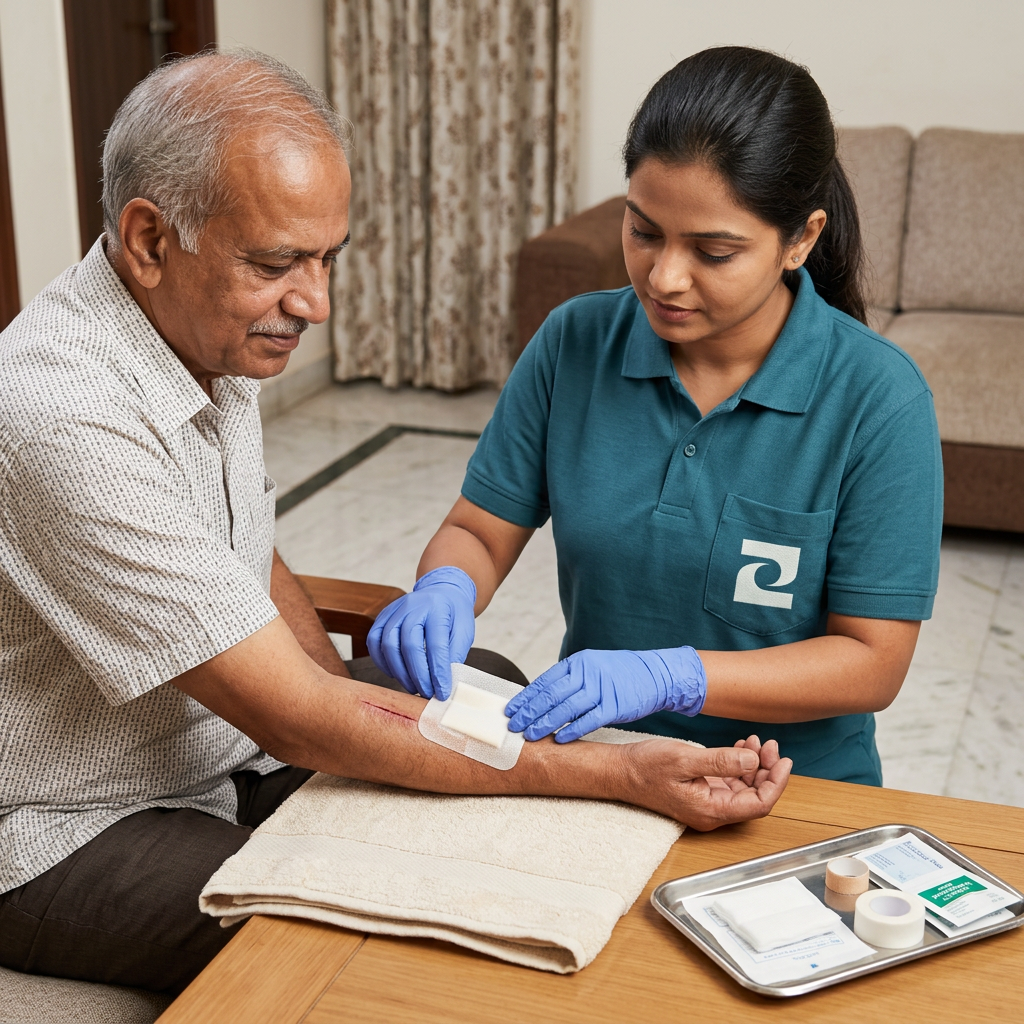
    4. Expert Wound Care and Dressing Support

    Proper wound care is crucial after surgery to prevent infections and promote healthy healing. Nurses from Home Health Solutions are trained in advanced wound management techniques.

    Services include:

    • Regular wound inspection and cleaning
    • Sterile dressing changes
    • Monitoring for signs of infection
    • Ensuring stitches or staples heal correctly

    Professional wound care at home reduces unnecessary hospital visits and improves healing outcomes.


    5. Accurate Medication Management

    After surgery, patients are often prescribed multiple medications. Managing dosages and timings can be confusing, especially for elderly patients.

    Home Health Solutions’ nurses ensure:

    • Timely medication administration
    • Correct dosage compliance
    • Monitoring of side effects
    • Coordination with doctors if adjustments are needed

    This minimizes medication errors and enhances patient safety.


    6. Effective Pain and Symptom Management

    Pain is a common concern during post-operative recovery. Home nurses continuously assess pain levels and ensure comfort through both medical and non-medical techniques.

    Home Health Solutions focuses on:

    • Pain assessment and reporting
    • Administering prescribed pain relief
    • Monitoring swelling, fever, or discomfort
    • Early detection of warning signs

    Effective pain management improves mobility, sleep quality, and overall recovery speed.


    7. Assistance with Daily Activities

    Simple daily tasks can become challenging after surgery. A home nurse provides compassionate assistance while respecting the patient’s dignity.

    Support includes:

    • Bathing and personal hygiene
    • Dressing and grooming
    • Assistance with eating and mobility
    • Fall prevention and safety supervision

    This support is especially valuable for elderly patients and those recovering from major surgeries.


    8. Support for Physiotherapy and Rehabilitation

    Many surgeries require follow-up physiotherapy and rehabilitation. Home Health Solutions coordinates nursing care with rehabilitation plans to ensure consistency.

    Benefits include:

    • Safe guidance during exercises
    • Motivation and encouragement
    • Monitoring mobility improvements
    • Preventing strain or injury

    Home-based rehabilitation improves adherence and long-term recovery results.


    9. Continuous Health Monitoring

    Regular monitoring helps detect complications early. Nurses from Home Health Solutions keep a close watch on vital health indicators such as:

    • Blood pressure and pulse
    • Oxygen saturation levels
    • Blood sugar levels for diabetic patients
    • Signs of infection or distress

    Early detection reduces emergency hospital visits and ensures timely medical intervention.


    10. Emotional and Psychological Support

    Recovery is both physical and emotional. Patients may experience anxiety, fear, or low morale after surgery.

    Home nurses provide:

    • Emotional reassurance
    • Companionship and encouragement
    • Confidence-building support

    This emotional care plays a major role in improving recovery outcomes.


    11. Relief and Peace of Mind for Family Members

    Caring for a post-surgical patient can be overwhelming for families. Home Health Solutions eases this burden by providing trained professionals who handle medical responsibilities.

    Families benefit from:

    • Reduced caregiving stress
    • More quality time with the patient
    • Confidence that expert care is always available

    12. Cost-Effective Alternative to Hospital Stay

    Prolonged hospital stays can be expensive. Home nursing services from Home Health Solutions offer high-quality care at a more affordable cost.

    Cost advantages include:

    • Lower hospitalization expenses
    • Reduced follow-up visits
    • Flexible care plans based on patient needs

    13. Flexible and Customized Care Plans

    Every recovery journey is different. Home Health Solutions offers flexible care options such as:

    • Full-time or part-time nursing
    • Short-term or long-term care
    • Day or night assistance

    This flexibility ensures patients receive exactly the care they need.


    14. Improved Quality of Life During Recovery

    Combining medical expertise with home comfort improves the patient’s overall quality of life. Patients feel more independent, respected, and emotionally secure.

    Home Health Solutions bridges the gap between hospital care and home recovery with professionalism, compassion, and trust.


    15. Special Care for Elderly and High-Risk Patients

    Elderly patients and individuals with pre-existing medical conditions such as diabetes, hypertension, heart disease, or respiratory issues require extra attention after surgery. Their recovery process is often slower and more complex compared to younger patients.

    Home Health Solutions provides specially trained nurses who understand the unique needs of high-risk patients. These nurses are skilled in managing chronic conditions alongside post-surgical recovery. They carefully monitor vital signs, manage multiple medications, assist with mobility, and ensure dietary restrictions are followed.

    This level of specialized care significantly reduces the chances of complications, readmissions, and delayed healing, making home nursing an ideal option for elderly patients.


    16. Prevention of Post-Surgery Complications

    Post-surgical complications such as blood clots, pressure sores, infections, dehydration, and respiratory issues can occur if proper care is not maintained. Continuous monitoring by a trained home nurse helps in preventing such complications.

    Home Health Solutions nurses are trained to:

    • Encourage safe movement to prevent blood clots
    • Reposition patients regularly to avoid bedsores
    • Monitor fluid intake and nutrition
    • Identify early warning signs and report them to doctors

    Proactive care plays a crucial role in ensuring a smooth and complication-free recovery.


    17. Nutrition Monitoring and Dietary Support

    Nutrition is a key pillar of post-operative recovery. The body requires adequate nutrients to heal wounds, fight infections, and regain strength. However, many patients struggle with appetite loss or dietary confusion after surgery.

    Home Health Solutions nurses assist by:

    • Ensuring patients follow doctor-recommended diets
    • Monitoring hydration levels
    • Assisting with feeding if required
    • Educating families about recovery-friendly nutrition

    Proper nutritional support speeds up recovery and improves overall health outcomes.


    18. Improved Patient Compliance and Discipline

    At home, patients may be tempted to skip medications, ignore movement restrictions, or delay wound care. A home nurse ensures discipline and adherence to medical advice.

    With Home Health Solutions, patients benefit from:

    • Structured daily routines
    • Regular reminders and supervision
    • Accountability for exercises and medications

    Better compliance leads to fewer setbacks and a more predictable recovery timeline.


    19. Seamless Coordination with Doctors and Hospitals

    Effective communication between healthcare providers is essential during recovery. Home Health Solutions acts as a bridge between the patient, family, and treating doctors.

    Nurses provide:

    • Regular health updates to physicians
    • Assistance during follow-up consultations
    • Accurate documentation of recovery progress

    This coordination ensures continuity of care even outside the hospital setting.


    20. Enhanced Safety and Emergency Preparedness

    Emergencies can occur unexpectedly during recovery. Having a trained professional at home ensures quick and appropriate responses.

    Home Health Solutions nurses are trained to:

    • Identify medical emergencies
    • Provide immediate first response
    • Coordinate rapid hospital transfers if required

    This preparedness significantly enhances patient safety and family confidence.


    21. Maintaining Patient Dignity and Independence

    Recovering at home allows patients to maintain a sense of dignity and control over their lives. Unlike hospital settings, home care respects personal routines, preferences, and privacy.

    Home Health Solutions promotes:

    • Respectful caregiving
    • Encouraging independence wherever possible
    • Preserving emotional well-being

    This approach positively impacts mental health and recovery motivation.


    22. Long-Term Health Benefits Beyond Recovery

    The benefits of home nursing extend beyond immediate recovery. Patients often develop healthier routines, better medication habits, and improved health awareness.

    With guidance from Home Health Solutions, patients:

    • Learn to manage their health proactively
    • Reduce chances of relapse or re-hospitalization
    • Gain confidence in self-care

    These long-term benefits contribute to a healthier and more independent lifestyle.


    23. Why Choose Home Health Solutions for Post-Surgery Care

    Home Health Solutions stands out as a trusted provider of professional home nursing services. The organization focuses on delivering patient-centered, reliable, and compassionate care.

    Key strengths include:

    • Certified and experienced nursing staff
    • Customized care plans
    • Transparent and flexible service options
    • Commitment to patient safety and comfort

    Every patient receives care that is aligned with medical standards and individual recovery needs.


    Conclusion

    Post-surgical recovery is a journey that requires medical expertise, emotional support, and consistent care. Hiring a home nurse after surgery offers unmatched benefits, including personalized attention, faster healing, reduced infection risks, and improved quality of life.

    Home Health Solutions bridges the gap between hospital treatment and home recovery by delivering expert nursing care directly to patients’ homes. With a strong focus on safety, comfort, and clinical excellence, Home Health Solutions ensures that every patient experiences a smooth, dignified, and confident recovery.

    Choosing professional home nursing care is not just a convenience—it is a smart investment in long-term health and well-being.

  • Elderly Care at Home: When Do You Need a Professional Nurse?

    Elderly Care at Home: When Do You Need a Professional Nurse?

    Caring for elderly loved ones is one of the most important responsibilities many families face. As parents and grandparents grow older, their physical strength, mobility, and health often begin to decline. While family members naturally want to support them, there may come a time when additional professional help becomes necessary.

    In recent years, home healthcare services have become increasingly popular because they allow elderly individuals to receive medical care while staying in the comfort of their own homes. Instead of moving to hospitals or nursing facilities, seniors can continue living in a familiar environment surrounded by their loved ones.

    However, many families struggle with an important question: When does an elderly person actually need a professional nurse at home?

    Recognizing the right time to seek professional help is essential to ensure safety, proper medical care, and a better quality of life for seniors. In this blog, we will explore the importance of elderly care at home, the responsibilities of professional nurses, the warning signs that indicate the need for professional assistance, and how home healthcare services benefit both seniors and their families.

    Understanding Elderly Care at Home

    Elderly care at home refers to healthcare and support services provided to seniors in their own residences. These services may range from basic assistance with daily activities to specialized medical care delivered by trained nurses or healthcare professionals.

    As people age, they may experience health conditions such as arthritis, heart disease, diabetes, or neurological disorders. These conditions can make everyday tasks difficult and sometimes unsafe without supervision.

    Home healthcare services help bridge this gap by offering professional medical assistance, ensuring that seniors receive proper care without leaving their homes.

    The goal of elderly home care is not only to treat illnesses but also to maintain independence, promote emotional well-being, and improve overall quality of life.

    Why Many Families Prefer Home Care for Seniors?

    There are several reasons why families choose home healthcare instead of long-term hospital stays or nursing facilities.

    • Comfort and Familiarity – Home is a place filled with memories and emotional attachments. For seniors, staying in their own home can provide a sense of stability and comfort. Familiar surroundings help reduce anxiety and confusion, especially for elderly individuals experiencing memory-related conditions.
    • Greater Independence – Many seniors value their independence and prefer maintaining control over their daily routines. Home care allows them to continue living their lives with minimal disruption while receiving the assistance they need.
    • Personalized Care – In hospitals or care facilities, nurses often manage several patients at once. In contrast, home nursing services provide personalized care tailored to the specific needs of the patient. This ensures more focused attention and better health monitoring.
    • Reduced Risk of Infections – Hospitals are essential for critical care, but they can also expose elderly patients to infections due to shared spaces and constant patient movement. Receiving care at home significantly reduces this risk.
    • Emotional Well-Being – Living at home allows seniors to stay close to family members and loved ones. Emotional support plays a vital role in maintaining mental health and preventing feelings of loneliness or depression.

    The Role of a Professional Nurse in Home Healthcare

    Professional home nurses are trained healthcare providers who deliver medical care and assistance to patients in their homes. Their role is essential in ensuring that elderly individuals receive proper treatment, monitoring, and support.

    Unlike general caregivers, professional nurses have medical training that enables them to handle more complex health conditions and emergencies.

    • Medical Monitoring – One of the primary responsibilities of a home nurse is to monitor the patient’s health regularly. This includes checking vital signs such as blood pressure, heart rate, temperature, and oxygen levels.

      Regular monitoring helps detect potential health issues early and prevents complications.
    • Medication Management – Many elderly individuals take multiple medications for different health conditions. Managing these medications correctly can be challenging for seniors and their families.

      A professional nurse ensures that medications are administered at the right time, in the correct dosage, and according to the doctor’s instructions.
    • Wound Care and Medical Procedures – Patients recovering from surgeries or injuries may require wound dressing, injections, catheter care, or other medical procedures. Professional nurses are trained to perform these tasks safely and effectively.
    • Chronic Disease Management – Conditions such as diabetes, heart disease, or respiratory disorders require continuous monitoring and management. Home nurses help track symptoms, maintain treatment plans, and communicate with doctors when necessary.
    • Assistance with Daily Activities – In addition to medical care, nurses often assist with activities such as bathing, dressing, mobility support, and hygiene, ensuring that seniors maintain dignity and comfort.

    Signs That an Elderly Person May Need a Professional Nurse

    Recognizing the signs that indicate the need for professional nursing care is crucial. Many families wait until a serious health emergency occurs before seeking help, but early intervention can significantly improve outcomes.

    Below are some common signs that suggest it may be time to consider professional home nursing services.

    Frequent Medical Emergencies or Hospital Visits

    If an elderly individual requires frequent hospital visits due to recurring health issues, it may indicate that they need more consistent monitoring.

    Professional nurses can help manage health conditions at home, reducing the risk of complications and preventing repeated hospitalizations.

    For example, patients with heart disease, respiratory illnesses, or severe diabetes may require regular monitoring that family members may not be equipped to handle.

    Difficulty Managing Medications

    Medication errors are a common issue among elderly individuals. Forgetting doses, taking the wrong medication, or mixing incompatible drugs can lead to serious health problems.

    A home nurse can organize medications, ensure correct dosage, and monitor potential side effects.

    Limited Mobility or Risk of Falling

    Falls are one of the leading causes of injuries among seniors. Reduced muscle strength, joint pain, balance issues, or poor vision can make movement dangerous.

    If an elderly family member has experienced multiple falls or struggles with walking or standing, professional assistance may be necessary.

    Home nurses help seniors move safely, assist with physical therapy exercises, and ensure that their environment is safe.

    Chronic Health Conditions

    Many elderly individuals live with chronic illnesses that require ongoing care. Conditions such as:

    • Diabetes
    • Hypertension
    • Stroke recovery
    • Parkinson’s disease
    • Arthritis
    • Heart disease
    • Chronic respiratory disorders

    often require specialized care and continuous monitoring.

    Professional nurses are trained to manage these conditions and recognize early warning signs of complications.

    Common Situations Where Home Nursing Is Essential

    Post-Surgery Recovery

    After surgery, elderly patients may require specialized care such as wound dressing, medication administration, and physical rehabilitation.

    Recovering at home with the assistance of a professional nurse can help reduce stress and improve recovery outcomes.

    A nurse can monitor healing progress, ensure proper medication use, and assist with mobility exercises recommended by doctors.

    Cognitive Decline and Memory Problems

    Conditions such as Alzheimer’s disease and dementia can significantly affect a senior’s ability to manage daily activities safely.

    Symptoms may include:

    • Forgetting medications
    • Confusion about time or location
    • Wandering away from home
    • Difficulty recognizing family members

    These conditions require careful supervision and structured support, which professional caregivers and nurses can provide.

    Difficulty Performing Daily Activities

    Basic daily activities such as bathing, dressing, eating, or using the restroom can become challenging for elderly individuals.

    If a senior struggles with these tasks regularly, professional assistance can help maintain their dignity and personal hygiene.

    Home nurses provide compassionate support while encouraging independence whenever possible.

    Family Caregiver Burnout

    Caring for an elderly loved one can be emotionally and physically demanding. Family caregivers often juggle multiple responsibilities, including work, childcare, and household duties.

    Over time, this can lead to caregiver burnout, stress, and exhaustion.

    Hiring a professional nurse can relieve some of this pressure and ensure that the patient receives consistent care.

    Types of Home Nursing Services for Elderly Patients

    Home healthcare services offer various types of support depending on the needs of the patient.

    Basic Nursing Care

    This includes health monitoring, medication administration, and assistance with daily routines.

    Post-Hospitalization Care

    Patients discharged from hospitals often require temporary nursing care at home to support recovery.

    Long-Term Chronic Disease Care

    Patients with long-term illnesses may require ongoing nursing support to manage symptoms and treatments.

    Palliative Care

    Palliative care focuses on improving comfort and quality of life for patients with serious illnesses.

    Rehabilitation and Physiotherapy Support

    Some elderly individuals require assistance with rehabilitation exercises to regain strength and mobility.

    Benefits of Professional Home Nursing Care

    Professional home nursing services offer several benefits that extend beyond basic healthcare.

    Improved Health Outcomes

    Regular monitoring and professional medical care help detect problems early and prevent complications.

    Faster Recovery

    Many patients recover faster in familiar home environments compared to hospitals.

    Peace of Mind for Families

    Knowing that a trained professional is caring for their loved one provides reassurance to family members.

    Emotional Support and Companionship

    Home nurses often build strong relationships with patients, offering emotional support and companionship.

    Increased Independence

    With professional support, many seniors can maintain their independence and continue living in their homes longer.


    How to Choose the Right Home Healthcare Provider

    Choosing a reliable home healthcare provider is essential for ensuring quality care.

    Families should consider the following factors when selecting a provider.

    Qualified and Experienced Staff

    Ensure that nurses are certified and experienced in elderly care.

    Customized Care Plans

    Each patient has unique needs. A good healthcare provider will design a personalized care plan.

    Availability of Services

    Some patients require full-time care, while others need part-time support. Choose a provider that offers flexible services.

    Communication with Family

    The healthcare provider should keep family members informed about the patient’s health and progress.

    Reputation and Reviews

    Research the provider’s reputation and read reviews from other families who have used their services.

    Final Thoughts

    Caring for elderly loved ones requires patience, compassion, and dedication. While family members often provide emotional support and daily assistance, there may come a time when professional medical care becomes necessary.

    Recognizing the signs early—such as frequent medical emergencies, mobility challenges, chronic illnesses, or difficulty managing medications—can help families make informed decisions about seeking professional help.

    Professional home nurses play a vital role in ensuring that seniors receive high-quality medical care while remaining in the comfort and familiarity of their own homes.

    By choosing reliable home healthcare services, families can create a safe, supportive, and nurturing environment for their elderly loved ones.

    Ultimately, elderly care at home is not just about medical treatment—it is about preserving dignity, maintaining independence, and improving the overall quality of life for those who have spent their lives caring for others.

  • Is It Safe to Take Injection at Home? A Complete Guide for Patients

    Is It Safe to Take Injection at Home? A Complete Guide for Patients

    Home healthcare has seen significant growth in recent years as patients increasingly prefer receiving medical care in the comfort of their homes. Busy lifestyles, rising hospital costs, long waiting times, and the desire for personalized care have all contributed to this shift. Among the many services offered under home healthcare, one common question frequently asked by patients and caregivers is: Is it safe to take injection at home?

    The answer is not a simple yes or no. Taking injections at home can be safe when done under proper medical guidance, using correct techniques, and with trained support when required. However, without the right knowledge and precautions, it can also pose serious health risks.

    This comprehensive guide explains everything patients and caregivers need to know about home injections, including who can administer them, which types are safe, the importance of hygiene, and when professional home healthcare services are essential.

    Understanding Home Injections

    Home injections refer to medications administered outside of hospitals or clinics, usually at the patient’s residence. These injections are prescribed by doctors and may be required for short-term treatment, long-term disease management, post-surgical recovery, or elderly care.

    With the advancement of medical training and availability of professional home healthcare services, many injections that once required hospital visits can now be safely given at home—provided the right protocols are followed.

    What Are Home Injections?

    Home injections are medical injections given in a non-clinical setting, most commonly at the patient’s home. They may involve administering medication into the skin, muscle, or bloodstream depending on the treatment plan. These injections are often part of ongoing therapies where frequent hospital visits may be inconvenient or stressful for the patient.

    Home injections are commonly recommended for patients with chronic illnesses, elderly individuals, patients recovering from surgery, and those with mobility challenges.

    Who Can Administer Injections at Home?

    The safety of home injections largely depends on who administers them. Injections at home may be given by:

    • Trained home healthcare nurses who are qualified to administer various types of injections
    • Medical professionals visiting the patient at home
    • Patients or caregivers, but only in specific cases where doctors allow self-administration and proper training has been provided

    It is important to note that not all injections are suitable for self-administration. Complex injections should always be handled by trained professionals.

    Common Medical Situations Requiring Home Injections

    Home injections are commonly used in situations such as:

    • Diabetes management requiring regular insulin injections
    • Post-surgical recovery involving pain management or antibiotics
    • Vitamin deficiencies requiring periodic injections
    • Chronic illnesses that require long-term injectable medications
    • Elderly care where frequent hospital visits are difficult

    Types of Injections That Can Be Given at Home

    Not all injections are equally safe to administer at home. The safety depends on the type of injection, the medication involved, and the patient’s overall health condition.

    Subcutaneous Injections and Safety

    Subcutaneous injections are given into the fatty layer just beneath the skin. These injections are generally considered the safest for home use because they are easier to administer and carry a lower risk of complications when proper technique is followed.

    Common examples include:

    • Insulin injections for diabetes
    • Certain hormone injections
    • Blood thinner injections as prescribed by doctors

    With proper training, patients or caregivers can safely administer subcutaneous injections at home. Maintaining hygiene, rotating injection sites, and following dosage instructions are critical to ensure safety.

    Intramuscular Injections by a only professional Nurse

    Intramuscular injections are delivered deep into the muscle tissue and require more precision than subcutaneous injections. Because of the risk of nerve injury, incorrect dosage, or improper site selection, these injections should ideally be administered by trained home nurses.

    Examples of intramuscular injections include:

    • Vitamin B12 injections
    • Certain antibiotics
    • Pain relief or anti-inflammatory injections

    Professional assistance ensures that the injection is given correctly, minimizing discomfort and potential complications.

    Why IV Injections Need Professional Supervision

    Intravenous (IV) injections deliver medication directly into the bloodstream. These injections require strict sterile conditions, accurate dosage control, and continuous monitoring.

    IV injections and infusions should never be self-administered. Even when provided at home, they must be handled exclusively by qualified healthcare professionals. Improper IV administration can lead to severe complications such as infections, vein damage, or adverse drug reactions.

    When Is It Safe to Take Injections at Home?

    Home injections are considered safe only when certain conditions are met. Patient safety should always be the top priority.

    Doctor’s Prescription and Guidance

    Every injection taken at home must be prescribed by a licensed doctor. The prescription should clearly mention the medication, dosage, method of administration, and duration of treatment.

    Patients should never decide on injectable medication on their own. Medical guidance ensures that the injection is necessary, appropriate, and safe for home use.

    Importance of Trained Home Nurses

    Trained home nurses play a crucial role in ensuring injection safety. Their responsibilities include:

    • Assessing the patient’s condition before administering injections
    • Following proper injection techniques
    • Monitoring for immediate side effects or reactions
    • Educating patients and caregivers on aftercare

    For elderly patients, post-operative patients, or individuals with complex medical conditions, professional nursing support is strongly recommended.

    Hygiene and Sterile Equipment

    Maintaining hygiene is essential when taking injections at home. Poor hygiene can lead to serious infections and complications.

    Key hygiene practices include:

    • Washing hands thoroughly before and after the procedure
    • Using sterile, single-use needles and syringes
    • Cleaning the injection site properly
    • Never reusing needles or syringes
    • Disposing of sharps safely in approved containers

    Following these practices significantly reduces the risk of infection.

    Final Thoughts on Home Injection Safety

    Taking injections at home can be safe, effective, and convenient when done responsibly. The key factors include proper medical guidance, understanding the type of injection, maintaining hygiene, and seeking professional support when required.

    Patients should never compromise on safety for convenience. When administered correctly, home injections can play a vital role in recovery and long-term health management. With trusted home healthcare services, patients can receive high-quality medical care without stepping out of their homes.