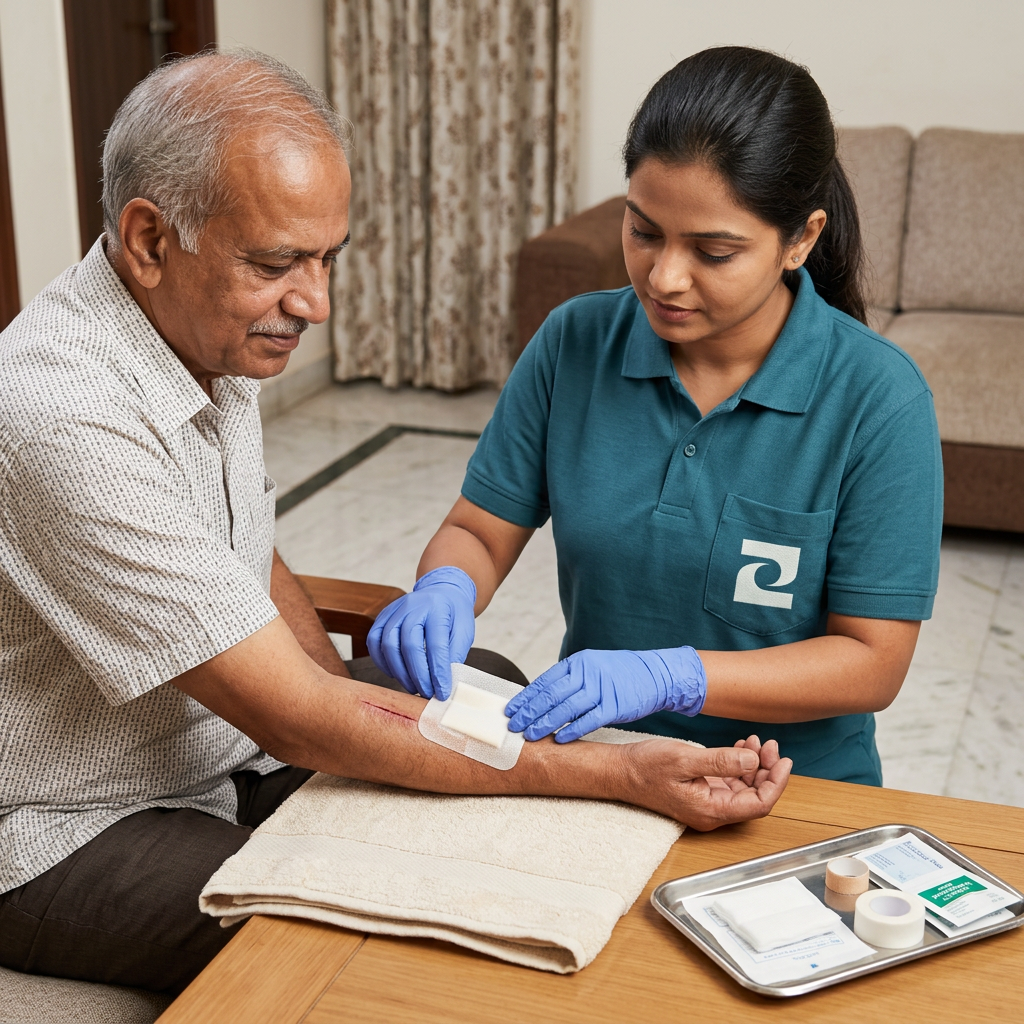
Category: Doctors & Nurses

This is about doctors and nurses

  • Caring for Parents from a Different City: How Home Nursing Apps Help Working Professionals

    Caring for Parents from a Different City: How Home Nursing Apps Help Working Professionals

    In today’s fast-paced world, it is increasingly common for working professionals to live in a different city from their parents. Career opportunities, education, and lifestyle choices often lead individuals to relocate, leaving behind aging parents who may require regular care and attention.

    This distance creates a constant emotional and practical challenge. Many professionals struggle with guilt, stress, and anxiety about not being physically present when their parents need them the most. Whether it is managing a chronic illness, post-surgery recovery, or simply ensuring daily well-being, providing care from afar can feel overwhelming.

    Fortunately, technology is stepping in to bridge this gap. Home nursing apps are emerging as a reliable solution, enabling working professionals to ensure quality care for their parents without being physically present. These platforms combine healthcare services with digital convenience, making remote caregiving more manageable and efficient.


    The Growing Challenge of Long-Distance Caregiving

    Caring for parents from another city is not just about arranging medical help—it involves emotional, logistical, and financial responsibilities.

    Emotional Stress and Guilt

    One of the biggest challenges faced by working professionals is the emotional burden. Being away during times of illness or emergencies can lead to feelings of helplessness and guilt. Even regular concerns like missed calls or delayed updates can create anxiety.

    Lack of Immediate Support

    In critical situations, the absence of immediate support can be risky. Reaching parents during emergencies may not always be possible due to travel constraints. This delay can affect timely medical intervention.

    Managing Healthcare Remotely

    Handling doctor appointments, medication schedules, and health monitoring from a distance is complex. Without a reliable system, it becomes difficult to stay updated on a parent’s condition.

    Balancing Work and Family Responsibilities

    Professionals often find it challenging to balance demanding jobs with caregiving responsibilities. Frequent travel or constant coordination can impact both personal and professional life.


    Rise of Home Nursing Apps in India

    Home nursing apps have gained significant popularity in India, especially in urban areas where families are often geographically separated.

    What Are Home Nursing Apps?

    Home nursing apps are digital platforms that connect patients with healthcare professionals such as nurses, caregivers, and therapists. These apps allow users to book services like:

    • Injection and IV administration
    • Post-surgical care
    • Elderly care
    • Physiotherapy sessions
    • Regular health monitoring

    All services can be scheduled and managed through a smartphone.


    Why They Are Becoming Popular

    The growing demand for convenience, affordability, and personalized care has driven the adoption of these apps. They offer a practical solution for families who cannot be physically present with their loved ones.

    Additionally, increased smartphone usage and internet penetration have made these services more accessible across different regions.


    Key Features of Home Nursing Apps

    Home nursing apps are designed to simplify caregiving while ensuring quality and reliability.

    Easy Booking and Scheduling

    Users can book services within minutes by selecting the required care type, date, and time. This eliminates the need for multiple phone calls or physical visits.

    Verified Healthcare Professionals

    Most platforms ensure that nurses and caregivers are trained, certified, and background-verified. This builds trust and ensures safe care for patients.

    Real-Time Updates

    Many apps provide updates on the patient’s condition, including reports, vitals, and progress. This keeps family members informed, even from a distance.

    Flexible Services

    Users can choose from one-time visits to full-time care depending on the patient’s needs. This flexibility makes it easier to manage different health conditions.


    How Home Nursing Apps Support Working Professionals

    These apps are specifically beneficial for individuals managing both work and caregiving responsibilities.

    Remote Monitoring and Control

    Professionals can track their parents’ health through app-based dashboards. This reduces the need for constant calls and provides structured updates.

    Reduced Need for Travel

    Instead of traveling frequently, users can arrange professional care at home. This saves time, money, and energy.

    Better Time Management

    With services handled digitally, professionals can focus on their work without compromising on their parents’ care.

    Quick Response in Emergencies

    Many apps offer quick service booking, ensuring that help reaches the patient promptly during urgent situations.


    Improving Quality of Care at Home

    Home nursing apps are not just about convenience—they also enhance the quality of care.

    Personalized Care Plans

    Services can be tailored according to the patient’s specific needs, ensuring better outcomes.

    Comfort of Home Environment

    Patients often recover faster in familiar surroundings, surrounded by comfort and emotional support.

    Continuity of Care

    Regular visits by trained professionals ensure consistent monitoring and treatment.


    Building Trust Through Technology

    Trust is a major concern when arranging care from a distance. Home nursing apps address this through transparency and accountability.

    Verified Profiles and Reviews

    Users can check ratings and reviews before selecting a caregiver, helping them make informed decisions.

    Digital Records and Reports

    All medical records and service details are stored digitally, making them easily accessible.

    Secure Communication

    In-app communication allows users to stay connected with caregivers and service providers.


    Real-Life Use Cases of Home Nursing Apps

    Understanding how home nursing apps work in real situations helps highlight their value for working professionals.

    Post-Surgery Care

    After surgery, patients often require regular monitoring, wound dressing, and medication management. For professionals living in another city, managing this remotely can be stressful. Home nursing apps allow them to arrange trained nurses who can visit daily, ensuring proper recovery while keeping family members informed through updates.

    Chronic Disease Management

    Conditions like diabetes, hypertension, or respiratory issues require continuous monitoring. Through home nursing apps, professionals can schedule regular visits for vitals monitoring, medication administration, and health check-ups. This ensures stability and reduces the risk of complications.

    Elderly Daily Assistance

    Elderly parents may need help with daily activities such as mobility, hygiene, and medication reminders. Home nursing apps provide caregivers who assist with these needs, improving the patient’s quality of life while offering peace of mind to family members.

    Emergency Support

    In urgent situations, quick access to medical help is crucial. Many home nursing apps offer rapid booking options, ensuring that a nurse or caregiver reaches the patient as soon as possible. This can be critical in managing sudden health issues.


    Challenges and Limitations

    While home nursing apps offer numerous benefits, there are certain challenges that users should be aware of.

    Dependence on Technology

    Not all parents are comfortable using smartphones or apps. In such cases, family members or caregivers need to assist in managing bookings and communication.

    Availability in Smaller Cities

    Although these services are expanding, availability may still be limited in rural or semi-urban areas. This can restrict access for some families.

    Quality Variations

    The quality of service can vary depending on the platform and the assigned caregiver. It is important to choose trusted providers with verified professionals.

    Internet and Connectivity Issues

    Reliable internet access is essential for app functionality and real-time updates. Connectivity issues can sometimes disrupt communication.


    Tips for Choosing the Right Home Nursing App

    Selecting the right platform is crucial for ensuring safe and effective care.

    Check Credentials and Verification

    Always choose apps that provide verified and certified healthcare professionals. Background checks and proper training are essential for patient safety.

    Read Reviews and Ratings

    User feedback gives insight into service quality. Reviews can help identify reliable platforms and avoid potential issues.

    Compare Services and Pricing

    Different apps offer different packages. Compare services, pricing, and flexibility to find the best fit for your needs.

    Look for Transparent Communication

    Choose platforms that provide clear updates, reports, and easy communication with caregivers.

    Ensure Emergency Support Availability

    Check whether the app offers quick response services in case of emergencies. This adds an extra layer of security.


    Emotional Benefits for Working Professionals

    Beyond practical advantages, home nursing apps also provide emotional relief.

    Reduced Anxiety

    Knowing that a trained professional is taking care of parents helps reduce constant worry and stress.

    Peace of Mind

    Regular updates and communication create a sense of control, even from a distance.

    Better Work-Life Balance

    Professionals can focus on their careers without compromising on family responsibilities.

    Strengthened Family Trust

    Parents feel more secure knowing that their children have arranged proper care, strengthening emotional bonds.


    Future of Remote Caregiving in India

    The role of home nursing apps is expected to grow significantly in the coming years.

    Integration with Advanced Technologies

    Future platforms may integrate features like AI-based health monitoring, wearable device tracking, and predictive alerts for potential health risks.

    Expansion to Smaller Cities

    As demand increases, these services are likely to expand beyond major urban areas, making them accessible to a wider population.

    Improved User Experience

    Apps will continue to become more user-friendly, ensuring that even elderly users can navigate them easily.

    Stronger Healthcare Ecosystem

    Collaboration between hospitals, doctors, and home care providers will create a more connected and efficient healthcare system.


    The Role of Technology in Strengthening Family Care

    Technology is not replacing family care—it is enhancing it. Home nursing apps act as a bridge, ensuring that distance does not compromise the quality of care.

    They enable professionals to stay involved in their parents’ healthcare decisions, monitor their well-being, and respond quickly to any concerns. This creates a balanced approach where technology supports emotional and physical care.


    Conclusion

    Caring for parents from a different city is one of the most challenging responsibilities for working professionals. The combination of emotional concern, logistical difficulties, and time constraints can make remote caregiving overwhelming.

    Home nursing apps provide a practical and effective solution by bringing professional healthcare services directly to the patient’s home. They offer convenience, reliability, and transparency, making it easier to manage care from a distance.

    While challenges such as technology adoption and service availability still exist, the benefits far outweigh the limitations. As these platforms continue to evolve, they will play an even more important role in supporting families across India.

    For working professionals, home nursing apps are not just a service—they are a way to stay connected, responsible, and caring, no matter the distance.
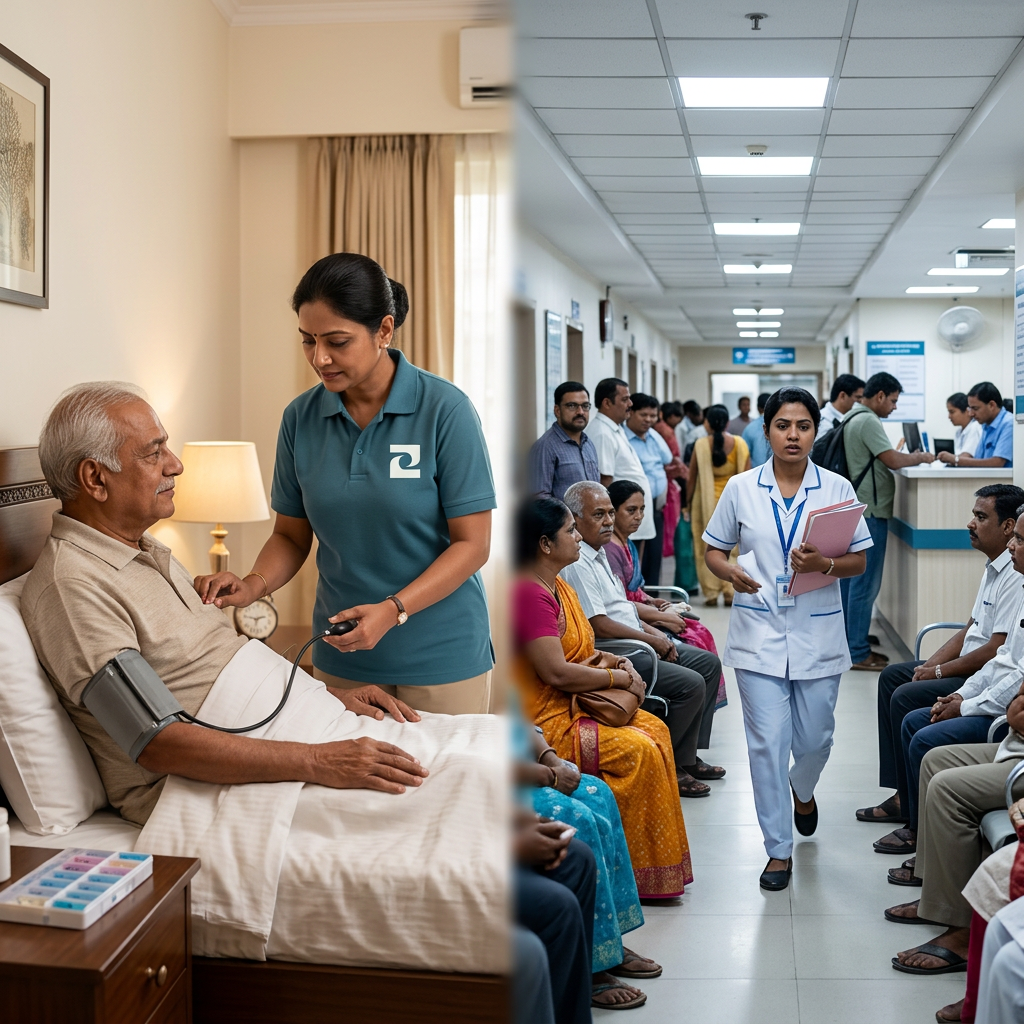

  • Cost Comparison: Home Nursing vs Repeated Hospital Visits in Delhi NCR

    Cost Comparison: Home Nursing vs Repeated Hospital Visits in Delhi NCR

    Healthcare in Delhi NCR has evolved rapidly over the past decade. With rising medical costs, increasing patient loads in hospitals, and a growing demand for personalized care, many families are now faced with an important question: Is it more cost-effective to opt for home nursing care or continue with repeated hospital visits?

    This decision becomes even more crucial in cases involving elderly care, post-surgery recovery, chronic illness management, or long-term treatment plans. While hospitals provide advanced infrastructure and immediate medical intervention, home nursing offers convenience, comfort, and often significant cost savings.

    In this blog, we will explore a detailed cost comparison between home nursing services and repeated hospital visits in Delhi NCR, helping you make an informed and financially sound decision.


    Understanding Home Nursing Services

    Home nursing refers to professional healthcare services provided in the comfort of a patient’s home. These services are typically delivered by trained nurses, caregivers, or paramedical staff.

    Types of Home Nursing Services

    Home nursing is not a one-size-fits-all solution. It includes a variety of services tailored to patient needs:

    • Basic Nursing Care
      Includes vitals monitoring, medication administration, and general assistance.
    • Post-Surgical Care
      Wound dressing, physiotherapy support, and recovery monitoring after surgeries.
    • Chronic Disease Management
      Regular monitoring for conditions like diabetes, hypertension, or respiratory illnesses.
    • Elderly Care
      Assistance with daily activities, mobility support, and companionship.
    • Specialized Care
      ICU-like setup at home, ventilator support, and palliative care.

    Benefits of Home Nursing

    1. Comfort and Familiar Environment
      Patients recover faster in a familiar setting surrounded by loved ones.
    2. Reduced Risk of Infections
      Hospitals expose patients to cross-infections, which are minimized at home.
    3. Personalized Attention
      One-on-one care ensures better monitoring and response.
    4. Convenience for Families
      Eliminates the need for frequent travel and waiting times.

    Understanding Repeated Hospital Visits

    Repeated hospital visits refer to frequent trips to healthcare facilities for consultations, treatments, follow-ups, or procedures.

    Common Scenarios for Hospital Visits

    • Post-surgery follow-ups
    • Chronic illness check-ups
    • Emergency situations
    • Diagnostic tests and procedures
    • Daily or weekly treatments like injections or IV therapy

    Challenges of Hospital Visits

    1. Time-Consuming
      Travel, waiting times, and consultations can take hours.
    2. Physical Strain on Patients
      Frequent movement can be exhausting, especially for elderly or recovering patients.
    3. Exposure to Infections
      Hospitals are high-risk zones for infections.
    4. Hidden Costs
      Travel expenses, food, parking, and repeated consultation fees add up quickly.

    Cost Structure of Home Nursing in Delhi NCR

    Understanding the cost breakdown of home nursing helps in evaluating its affordability.

    1. Per Visit Costs

    • Basic nurse visit: ₹500 – ₹2,000
    • Injection/IV administration: ₹600 – ₹1,200

    2. Daily Care Costs

    • 8-hour nurse: ₹800 – ₹1,500/day
    • 12-hour nurse: ₹1,200 – ₹2,500/day
    • 24-hour nurse: ₹2,000 – ₹4,000/day

    3. Monthly Packages

    • Basic care: ₹25,000 – ₹40,000/month
    • Advanced care: ₹40,000 – ₹80,000/month
    • ICU-level home care: ₹80,000 – ₹1,20,000+/month

    4. Additional Costs

    • Medical equipment (oxygen cylinder, hospital bed, etc.)
    • Medicines and consumables
    • Physiotherapy sessions

    Despite these additional costs, home nursing remains relatively predictable and manageable compared to hospital expenses.


    Cost Structure of Hospital Visits in Delhi NCR

    Hospital expenses are more complex and often unpredictable.

    1. Consultation Fees

    • General physician: ₹500 – ₹1,500
    • Specialist: ₹1,500 – ₹3,000

    2. Diagnostic Tests

    • Blood tests: ₹500 – ₹5,000
    • Imaging (X-ray, MRI, CT scan): ₹1,000 – ₹25,000

    3. Daily Hospital Charges

    • General ward: ₹5,000 – ₹15,000/day
    • Private room: ₹8,000 – ₹25,000/day
    • ICU: ₹10,000 – ₹50,000+/day

    4. Additional Expenses

    • Medicines and procedures
    • Nursing charges
    • Emergency fees
    • Ambulance services
    • Travel and accommodation for family members

    These costs can escalate quickly, especially in long-term treatment scenarios.


    Initial Cost Comparison

    At first glance, hospital care may seem necessary for quality treatment. However, when comparing ongoing expenses, a clear difference emerges.

    Example Scenario: 15 Days of Care

    Hospital Stay (Private Room):

    • Room charges: ₹10,000/day × 15 = ₹1,50,000
    • Doctor visits, tests, medicines: ₹50,000 – ₹1,00,000
    • Total: ₹2,00,000 – ₹2,50,000

    Home Nursing Care:

    • 24-hour nurse: ₹3,000/day × 15 = ₹45,000
    • Medicines and equipment: ₹20,000 – ₹40,000
    • Total: ₹65,000 – ₹85,000

    Savings: Nearly 60–70%


    Quality of Care: A Cost Perspective

    Cost is important, but quality of care also plays a role in long-term expenses.

    Home Nursing

    • Personalized attention reduces complications
    • Faster recovery lowers overall treatment duration
    • Emotional well-being improves healing

    Hospital Visits

    • Access to advanced equipment
    • Immediate emergency care
    • However, overcrowding may reduce personal attention

    Indirect Costs Often Overlooked

    Many families underestimate indirect expenses associated with hospital visits:

    • Transportation (cabs, fuel)
    • Lost workdays for caregivers
    • Food and accommodation
    • Mental stress and fatigue

    Home nursing significantly reduces these hidden costs, making it more economical in the long run.

    Long-Term Cost Comparison

    When healthcare needs extend beyond a few days or weeks, the cost difference between home nursing and hospital visits becomes even more significant.

     1-Month Care Comparison

    Hospital-Based Care (Moderate Condition)

    • Room charges (₹10,000/day): ₹3,00,000
    • Doctor consultations & monitoring: ₹50,000 – ₹1,00,000
    • Tests, medicines, procedures: ₹1,00,000 – ₹2,00,000
    • Miscellaneous expenses: ₹50,000

     Total: ₹5,00,000 – ₹6,50,000


    Home Nursing Care

    • 24-hour nurse (₹3,000/day): ₹90,000
    • Medical equipment & medicines: ₹30,000 – ₹60,000
    • Occasional doctor visits: ₹10,000 – ₹20,000

     Total: ₹1,30,000 – ₹1,70,000


     Key Insight

    Over a month, home nursing can reduce costs by up to 70–75% compared to hospital-based care.

    For families managing long-term illnesses, this difference is not just significant—it can be life-changing financially.


    Real-Life Scenarios

    Let’s break this down with practical, relatable situations.


     Scenario 1: Elderly Care

    An elderly patient requires:

    • Daily monitoring
    • Medication management
    • Assistance with mobility

    Hospital Approach

    • Frequent OPD visits (2–3 times/week)
    • Repeated tests and consultations
    • Travel and caregiver involvement

     Monthly cost: ₹40,000 – ₹80,000 (without admission)


    Home Nursing Approach

    • Full-time caregiver or nurse
    • Regular vitals monitoring
    • Occasional doctor consultation

     Monthly cost: ₹25,000 – ₹50,000

     Result: Lower cost + better comfort + less stress


    Scenario 2: Post-Surgery Recovery

    A patient recovering from surgery needs:

    • Wound dressing
    • IV medications
    • Monitoring

    Hospital Stay (10–15 days)

     ₹2,00,000 – ₹4,00,000


    Early Discharge + Home Nursing

     ₹60,000 – ₹1,20,000

     Result: Faster recovery at home + major cost savings


    💉 Scenario 3: Chronic Illness (Diabetes, Kidney Disease, etc.)

    Requires:

    • Regular injections
    • Monitoring
    • Frequent check-ups

    Hospital Visits

    • Weekly visits + tests
        ₹15,000 – ₹30,000/month

    Home Care

    • Nurse visits at home
        ₹8,000 – ₹15,000/month

    Result: Nearly 50% savings + convenience

    When Home Nursing is the Better Choice

    Home nursing is ideal in the following situations:

    • ✔️ Patient is stable but needs continuous care
    • ✔️ Long-term recovery or rehabilitation
    • ✔️ Elderly patients needing daily assistance
    • ✔️ Chronic illness management
    • ✔️ Post-hospital discharge care

    It not only reduces costs but also improves the patient’s quality of life.


    When Hospital Care is Necessary

    Despite the cost advantage of home nursing, hospitals are essential in certain cases:

    • ❗ Emergency or critical conditions
    • ❗ Surgeries and complex procedures
    • ❗ ICU and life-support requirements
    • ❗ Advanced diagnostics and immediate interventions

    The smartest approach is often a hybrid model:
    Hospital for critical care → Home nursing for recovery


    Emotional & Psychological Value (Beyond Cost)

    While cost comparison is important, emotional well-being also impacts recovery and overall expenses.

    Home Nursing Benefits

    • Familiar environment reduces anxiety
    • Family presence improves morale
    • Personalized care builds trust

    Hospital Challenges

    • Stressful environment
    • Limited visiting hours
    • Lack of personal attention

    Faster emotional recovery often leads to shorter treatment duration, indirectly saving money.


    Hidden Financial Advantages of Home Nursing

    Home nursing offers savings that are often overlooked:

    • No daily travel expenses
    • No hospital admission deposits
    • Reduced risk of hospital-acquired infections (lower future costs)
    • Less income loss for caregivers

    Over time, these factors contribute to substantial financial relief.


    Final Verdict

    When comparing home nursing vs repeated hospital visits in Delhi NCR, the conclusion is clear:

     Cost Efficiency

    Home nursing is 40–75% more affordable in most non-critical cases.

     Comfort & Convenience

    Patients heal better in a familiar environment.

     Smart Healthcare Strategy

    • Use hospitals for critical treatment
    • Shift to home nursing for recovery and long-term care

    Conclusion

    Healthcare decisions are not just medical—they are financial and emotional as well. In a region like Delhi NCR, where medical costs are rising rapidly, choosing the right care model can make a huge difference.

    Home nursing is emerging as a practical, cost-effective, and patient-friendly alternative to repeated hospital visits. While hospitals remain indispensable for emergencies and specialized care, home-based healthcare provides a balanced solution for long-term needs.Ultimately, the best choice depends on the patient’s condition, budget, and personal preferences. However, for many families today, home nursing is not just an option—it is the smarter investment in both health and finances.

  • How Home Nursing Supports Cancer Patients During Chemotherapy?

    How Home Nursing Supports Cancer Patients During Chemotherapy?

    Chemotherapy is one of the most common and effective treatments for cancer, but it also brings significant physical and emotional challenges. While hospitals handle the administration of chemotherapy drugs, much of the recovery and day-to-day care happens at home. This is where home nursing care becomes a vital part of the treatment journey.

    Home nursing provides professional medical support in the comfort of a patient’s home, ensuring continuous care, better symptom management, and improved quality of life. For cancer patients undergoing chemotherapy, this support can make a meaningful difference in both recovery and overall well-being.

    Understanding Chemotherapy and Its Effects

    Chemotherapy works by targeting rapidly dividing cancer cells. However, it also affects healthy cells, leading to side effects that can be difficult to manage without proper care.

    Common side effects include fatigue, nausea, vomiting, loss of appetite, weakened immunity, hair loss, and emotional distress. These symptoms can vary in intensity depending on the type of cancer and treatment plan. Without proper monitoring and care, they can severely impact a patient’s daily life.

    This is why continuous support outside the hospital setting is essential—and home nursing plays a key role in filling that gap.

    Personalized Care at Home

    One of the biggest advantages of home nursing is personalized care. Unlike hospitals where attention is divided among many patients, home nurses focus entirely on one individual.

    They create care routines based on:

    • The patient’s medical condition
    • Treatment schedule
    • Physical strength and limitations
    • Emotional needs

    This personalized approach ensures that the care provided is not only medically accurate but also comfortable and suited to the patient’s lifestyle.

    Managing Chemotherapy Side Effects

    Chemotherapy side effects can be unpredictable and sometimes severe. Home nurses are trained to manage these symptoms effectively and respond quickly when issues arise.

    They assist with:

    • Controlling nausea and vomiting through medications
    • Monitoring fatigue and suggesting energy management techniques
    • Managing pain as per medical guidance
    • Ensuring proper hydration

    Timely intervention helps prevent complications and reduces discomfort for the patient.

    Medication Management

    Cancer patients often have complex medication schedules, including chemotherapy drugs, supportive medications, and supplements.

    Home nurses ensure:

    • Medications are taken at the correct time
    • Dosages are followed accurately
    • Side effects are observed and recorded
    • Any adverse reactions are reported to doctors

    This level of supervision reduces the chances of missed doses or medication errors.

    Infection Prevention and Hygiene

    Chemotherapy weakens the immune system, making patients more vulnerable to infections. Even minor infections can become serious if not addressed quickly.

    Home nurses maintain strict hygiene standards by:

    • Keeping the patient’s environment clean
    • Practicing proper sanitization
    • Monitoring for signs of infection such as fever or swelling
    • Educating family members about hygiene practices

    This proactive approach helps keep patients safe during a critical phase of treatment.

    Nutritional Support

    Proper nutrition is essential for cancer patients, especially during chemotherapy. However, side effects like nausea and loss of appetite can make eating difficult.

    Home nurses help by:

    • Suggesting easy-to-digest, nutritious meals
    • Monitoring food and fluid intake
    • Encouraging small, frequent meals
    • Coordinating with dieticians if needed

    This ensures that the patient maintains strength and supports recovery.

    Emotional and Mental Support

    Chemotherapy is not just physically exhausting—it can also be emotionally overwhelming. Patients may experience anxiety, fear, and mood changes.

    Home nurses provide emotional support by:

    • Offering companionship
    • Listening to patient concerns
    • Encouraging a positive routine
    • Helping patients cope with treatment-related stress

    Having someone present who understands their condition helps patients feel less alone.

    Supporting Family Members

    Family members often become caregivers, which can be physically and emotionally demanding. Home nursing helps reduce this burden.

    Nurses:

    • Share caregiving responsibilities
    • Guide families on proper care techniques
    • Provide reassurance during difficult situations

    This support allows family members to focus on emotional connection rather than just medical responsibilities.

    Continuous Monitoring and Early Detection

    One of the most critical benefits of home nursing is continuous monitoring. Unlike occasional hospital visits, home nurses observe the patient regularly and can detect early warning signs.

    They monitor:

    • Vital signs like temperature and blood pressure
    • Changes in symptoms
    • Signs of complications such as infections or dehydration

    Early detection allows for timely medical intervention, preventing serious health risks.

    Reducing Hospital Visits

    Frequent hospital visits can be tiring and stressful for chemotherapy patients. Travel, waiting times, and exposure to infections add to the discomfort.

    Home nursing reduces this burden by:

    • Managing minor complications at home
    • Providing follow-up care after chemotherapy sessions
    • Coordinating with doctors remotely when needed

    This makes the treatment journey more convenient and less exhausting.

    Assistance with Medical Procedures

    Some patients require medical procedures at home as part of their care.

    Home nurses are trained to handle:

    • IV therapy (as prescribed)
    • Injections
    • Wound care
    • Catheter management

    Providing these services at home ensures safety while eliminating unnecessary hospital trips.

    Encouraging Physical Activity

    While rest is important, light physical activity can help improve strength and reduce fatigue.

    Home nurses guide patients with:

    • Gentle exercises
    • Mobility support
    • Preventing stiffness and weakness

    They ensure that activities are safe and suitable for the patient’s condition.

    Improving Quality of Life

    Home nursing care focuses not just on treatment, but on improving the patient’s overall quality of life.

    Patients benefit from:

    • Comfort of familiar surroundings
    • Reduced stress and anxiety
    • Better sleep and routine
    • Increased sense of independence

    Being at home with proper support creates a more positive healing environment.

    Coordination with Healthcare Providers

    Home nurses act as a bridge between the patient and their healthcare team.

    They:

    • Communicate patient updates to doctors
    • Report any concerning symptoms
    • Assist in adjusting care plans

    This ensures continuity and effectiveness in treatment.

    Palliative and Comfort Care

    In advanced stages of cancer, care may focus more on comfort than cure. Home nursing plays a crucial role in providing compassionate support.

    This includes:

    • Pain management
    • Emotional support
    • Maintaining dignity and comfort
    • Supporting families during difficult times

    Such care ensures that patients are treated with respect and compassion.

    When to Consider Home Nursing

    Home nursing should be considered when:

    • Side effects become difficult to manage
    • The patient needs regular monitoring
    • Hospital visits become exhausting
    • Family members feel overwhelmed

    Starting home nursing early can significantly improve patient outcomes.

    Choosing the Right Home Nursing Service

    Selecting the right service is important for safety and quality care.

    Look for:

    • Qualified and experienced nurses
    • Good communication with doctors
    • Flexible care options
    • Positive patient feedback

    A reliable service ensures peace of mind for both patients and families.

    Conclusion

    Chemotherapy is a challenging journey, but the right support system can make it more manageable. Home nursing provides essential care that extends beyond hospital treatment, offering medical expertise, emotional support, and personalized attention.

    By helping manage side effects, prevent complications, and improve daily comfort, home nurses play a vital role in the recovery process. Most importantly, they allow patients to undergo treatment in a familiar, supportive environment surrounded by their loved ones.

    In modern healthcare, home nursing is not just an option—it is an important part of holistic cancer care, ensuring that patients receive the dignity, comfort, and care they truly deserve.

  • Preparing a Care Plan with Your Doctor and Home Nurse Team

    Preparing a Care Plan with Your Doctor and Home Nurse Team

    When a loved one requires ongoing medical attention at home, simply arranging a home nurse is not enough. Effective care goes beyond daily routines—it requires a well-structured care plan that aligns medical guidance with practical caregiving. This is where collaboration between your doctor and home nurse becomes essential.

    A care plan acts as a roadmap for recovery and long-term health management. It ensures that everyone involved—the doctor, nurse, patient, and family—is on the same page. Without a clear plan, care can become inconsistent, leading to confusion, missed treatments, or delayed recovery.

    Preparing a care plan may seem overwhelming at first, but with the right approach, it becomes a powerful tool for ensuring safe, organized, and effective home healthcare.


    What Is a Care Plan?

    A care plan is a detailed document that outlines the patient’s medical needs, treatment schedule, daily care requirements, and recovery goals. It is created collaboratively by healthcare professionals and tailored to the patient’s specific condition.

    Key Elements of a Care Plan

    • Medical diagnosis and condition overview
    • Medication schedule
    • Nursing care requirements
    • Dietary guidelines
    • Activity and mobility instructions
    • Emergency protocols

    This structured approach ensures that care is not left to guesswork.


    Why a Care Plan Is Important

    Many families rely on verbal instructions or informal routines, which can lead to mistakes. A written care plan eliminates uncertainty and improves coordination.

    1. Ensures Consistency in Care

    When multiple caregivers are involved, consistency becomes critical. A care plan ensures that everyone follows the same procedures.


    2. Reduces Risk of Errors

    Clear instructions help prevent medication mistakes, missed treatments, and improper care practices.


    3. Improves Communication

    A care plan acts as a shared reference point for doctors, nurses, and family members.


    4. Supports Faster Recovery

    Organized and consistent care allows the patient to heal more effectively.


    Step 1: Start with a Detailed Medical Consultation

    The foundation of any care plan is accurate medical guidance.

    What to Discuss with the Doctor

    • Diagnosis and current condition
    • Treatment goals
    • Required medications
    • Possible complications
    • Activity restrictions

    Why This Step Matters

    Without a clear understanding of the patient’s condition, it is impossible to create an effective care plan.


    Step 2: Involve the Home Nurse Early

    Many families involve the nurse only after planning, but including them early can improve the quality of care.

    Role of the Home Nurse

    • Assess daily care needs
    • Suggest practical caregiving methods
    • Identify potential challenges at home

    Benefits of Early Involvement

    The nurse can provide real-world insights that doctors may not always consider, making the plan more practical and effective.


    Step 3: Define Clear Care Goals

    A good care plan is goal-oriented. These goals guide treatment and help track progress.

    Types of Goals

    • Short-term goals (pain management, wound healing)
    • Long-term goals (mobility improvement, recovery milestones)

    Why Goals Are Important

    They provide direction and help measure whether the care plan is working.


    Step 4: Create a Detailed Daily Routine

    Consistency is key in home healthcare, and a structured routine ensures that nothing is missed.

    What to Include

    • Medication timings
    • Meal schedules
    • Hygiene routines
    • Exercise or physiotherapy
    • Rest periods

    Why It Helps

    A routine reduces confusion and ensures all aspects of care are covered.


    Step 5: Plan Medication Management Carefully

    Medication errors are one of the most common issues in home care.

    Best Practices

    • Maintain a medication chart
    • Include dosage and timing
    • Note special instructions (before/after meals)

    Why This Matters

    Accurate medication management is essential for treatment effectiveness and patient safety.


    Step 6: Address Nutrition and Diet Needs

    Diet plays a crucial role in recovery and overall health.

    What to Consider

    • Doctor-recommended diet plan
    • Nutritional requirements
    • Hydration levels

    Common Adjustments

    • Soft diets for recovery
    • Low-salt or diabetic-friendly meals

    Proper nutrition supports healing and prevents complications.


    Step 7: Include Mobility and Physical Activity Plans

    Even limited movement can have a significant impact on recovery.

    Examples

    • Light walking
    • Assisted exercises
    • Physiotherapy sessions

    Benefits

    • Prevents stiffness
    • Improves circulation
    • Supports faster recovery

    Always follow the doctor’s advice when planning physical activity.

    Once the foundation of the care plan is set, the next step is ensuring that it works smoothly in real-life situations. A care plan is not just a document—it’s a dynamic system that requires regular monitoring, coordination, and adjustments.

    Let’s explore how to make your care plan effective, adaptable, and truly beneficial for the patient.


    Step 8: Monitor the Patient’s Condition Regularly

    A care plan is only effective if progress is tracked consistently.

    What to Monitor

    • Vital signs (temperature, blood pressure, sugar levels)
    • Pain levels
    • Wound healing progress
    • Energy and appetite

    Why Monitoring Matters

    Regular observation helps detect early warning signs and ensures timely medical intervention.


    Step 9: Establish Clear Communication Channels

    Communication gaps can lead to serious mistakes in home care.

    Who Should Be Connected

    • Doctor
    • Home nurse
    • Family members involved in care

    How to Improve Communication

    • Maintain a daily care log
    • Share updates regularly with the doctor
    • Discuss any changes in the patient’s condition immediately

    Strong communication ensures that everyone stays informed and aligned.


    Step 10: Prepare for Emergencies

    No matter how well a care plan is designed, emergencies can happen.

    What to Include in Emergency Planning

    • List of emergency contacts
    • Nearest hospital details
    • Backup medications and supplies
    • Clear instructions for urgent situations

    Why It’s Important

    Being prepared can save valuable time and prevent complications during emergencies.


    Step 11: Define Roles and Responsibilities

    When multiple people are involved, clarity in roles is essential.

    Examples of Responsibilities

    • Nurse: Medical care and monitoring
    • Family: Emotional support and daily assistance
    • Doctor: Treatment guidance and supervision

    Benefits

    Defined roles prevent confusion, reduce stress, and ensure smooth caregiving.


    Step 12: Review and Update the Care Plan Regularly

    A patient’s condition can change over time, and the care plan must adapt accordingly.

    When to Review

    • After follow-up doctor visits
    • When symptoms change
    • During recovery milestones

    Why Updates Are Necessary

    An outdated care plan can lead to ineffective or inappropriate care.


    Step 13: Use Technology for Better Coordination

    Technology can simplify caregiving and improve accuracy.

    Useful Tools

    • Medication reminder apps
    • Digital health records
    • Video consultations with doctors
    • Health monitoring devices

    Benefits

    Technology improves communication, reduces errors, and provides real-time updates.


    Supporting the Caregiver

    While the focus is on the patient, caregivers also need support to maintain quality care.

    Challenges Faced

    • Physical fatigue
    • Emotional stress
    • Time management issues

    How to Support Caregivers

    • Share responsibilities
    • Allow regular breaks
    • Seek professional help when needed

    A well-supported caregiver can provide better and more consistent care.


    Common Mistakes to Avoid

    Even with a care plan, certain mistakes can affect its effectiveness.

    Mistakes to Watch For

    • Ignoring the care plan
    • Skipping follow-ups
    • Poor communication
    • Not updating the plan
    • Over-reliance on assumptions

    How to Avoid Them

    Stay disciplined, organized, and proactive in managing care.


    Final Thoughts: A Team Effort for Better Care

    Preparing a care plan is not a one-time task—it’s an ongoing process that requires teamwork, communication, and flexibility. When doctors, nurses, and families work together, the quality of care improves significantly.


    Conclusion

    A well-prepared care plan is the backbone of effective home healthcare. It brings structure, clarity, and coordination to the caregiving process, ensuring that the patient receives consistent and safe treatment.

    By collaborating with doctors and home nurses, defining clear goals, maintaining routines, and regularly monitoring progress, families can create a strong support system for recovery. Equally important is the ability to adapt the plan as the patient’s condition evolves.

    Ultimately, a care plan is more than just a set of instructions—it’s a commitment to providing thoughtful, organized, and compassionate care. With the right approach, it can make a meaningful difference in the patient’s recovery journey and overall quality of life.

  • Signs You Need Professional Wound Dressing at Home Instead of Self-Care

    Signs You Need Professional Wound Dressing at Home Instead of Self-Care

    Wound care is something many people try to manage on their own, especially for minor cuts, scrapes, or burns. With basic first aid knowledge and easily available supplies, self-care often works well for small, uncomplicated wounds. However, not all wounds are the same—and treating certain types at home without proper expertise can lead to serious complications.

    In recent years, home healthcare services have made it easier to receive professional wound care without visiting a hospital. Yet, many families delay seeking help, assuming the wound will heal on its own. This delay can increase the risk of infection, slow down healing, and even lead to long-term health issues.

    Understanding when a wound requires professional dressing is crucial for safe and effective recovery. In this blog, we’ll explore the key signs that indicate it’s time to move beyond self-care and seek professional wound management at home.


    Understanding Different Types of Wounds

    Before identifying warning signs, it’s important to understand that wounds vary in severity and complexity.

    Common Types of Wounds

    • Minor wounds: Small cuts, scratches, and superficial burns
    • Chronic wounds: Diabetic ulcers, pressure sores, non-healing wounds
    • Surgical wounds: Post-operative incisions
    • Traumatic wounds: Deep cuts, injuries, or accidents

    While minor wounds can often be managed at home, more complex wounds require specialized care and monitoring.


    Why Proper Wound Dressing Matters

    Wound dressing is not just about covering an injury—it plays a vital role in healing.

    Functions of Proper Dressing

    • Protects the wound from infection
    • Maintains a moist healing environment
    • Absorbs excess fluid
    • Promotes faster tissue repair

    Improper dressing or neglect can delay healing and increase the risk of complications.


    Sign 1: The Wound Is Not Healing

    One of the clearest signs that you need professional help is when a wound does not show signs of healing within a reasonable time.

    What to Look For

    • No visible improvement after several days
    • Wound size remains the same or increases
    • No formation of new tissue

    Why It Happens

    Non-healing wounds may indicate underlying issues such as infection, poor blood circulation, or chronic conditions like diabetes.

    What to Do

    If a wound is not healing, a healthcare professional can assess the cause and provide appropriate treatment.


    Sign 2: Signs of Infection Are Present

    Infections are one of the most serious risks associated with improper wound care.

    Common Symptoms

    • Redness and swelling
    • Warmth around the wound
    • Pus or discharge
    • Foul odor
    • Fever

    Why This Is Serious

    If left untreated, infections can spread and lead to severe complications, including bloodstream infections.

    Action Required

    Immediate professional care is essential to control the infection and prevent further damage.


    Sign 3: The Wound Is Deep or Large

    Not all wounds are suitable for self-care. Deep or large wounds require proper cleaning, dressing, and sometimes medical intervention.

    Indicators of a Serious Wound

    • Deep cuts exposing tissue
    • Heavy bleeding
    • Wide or open wounds

    Risks of Self-Treatment

    • Incomplete cleaning
    • Improper closure
    • Higher risk of infection

    Professional wound dressing ensures proper healing and reduces complications.


    Sign 4: Presence of Chronic Conditions

    Patients with certain health conditions are more vulnerable to complications.

    High-Risk Conditions

    • Diabetes
    • Poor circulation
    • Weak immune system

    Why This Matters

    These conditions can slow healing and increase infection risk, making professional care necessary even for small wounds.


    Sign 5: Increasing Pain Instead of Improvement

    Pain is a natural part of healing, but it should gradually decrease over time.

    Warning Signs

    • Pain getting worse instead of better
    • Sharp or persistent discomfort
    • Pain accompanied by swelling or redness

    What It Indicates

    Increasing pain may signal infection, inflammation, or improper healing.


    Sign 6: Excessive Fluid or Bleeding

    Some fluid discharge is normal, but excessive drainage or bleeding is not.

    What to Watch For

    • Continuous bleeding
    • Thick or colored discharge
    • Soaked dressings frequently

    Why It’s Concerning

    This may indicate infection or internal damage that requires medical attention.


    Sign 7: Bad Odor from the Wound

    A foul smell is often a sign of infection or tissue damage.

    Why It Happens

    • Bacterial growth
    • Dead tissue (necrosis)

    What to Do

    Do not ignore this sign—professional wound care is required immediately.

    Recognizing the early signs that a wound needs professional care can prevent complications, but understanding what happens next is equally important. Professional wound dressing is not just about cleaning and covering—it involves proper assessment, technique, and ongoing monitoring to ensure safe healing.

    Let’s explore additional signs, benefits of expert care, and how families can make better decisions when managing wounds at home.


    Sign 8: The Wound Keeps Reopening

    A wound that repeatedly opens after starting to heal is a clear indication that something is not right.

    Possible Reasons

    • Weak tissue healing
    • Infection
    • Excessive movement or pressure

    Why It Needs Attention

    Repeated reopening delays recovery and increases infection risk. A professional can identify the root cause and apply the right dressing techniques.


    Sign 9: Discoloration Around the Wound

    Changes in skin color around the wound should not be ignored.

    What to Look For

    • Darkening or blackening of skin
    • Yellow or green patches
    • Unusual redness spreading outward

    What It Indicates

    Discoloration may signal poor blood circulation, infection, or tissue damage, which requires immediate medical evaluation.


    Sign 10: You Are Unsure How to Dress the Wound Properly

    Sometimes the biggest sign is uncertainty itself.

    Common Situations

    • Confusion about which dressing to use
    • Not knowing how often to change dressings
    • Difficulty handling sensitive wounds

    Why Professional Help Is Better

    Incorrect dressing methods can do more harm than good. Trained professionals ensure the right materials and techniques are used.


    Common Mistakes in Self Wound Care

    Even with good intentions, self-care can go wrong.

    Frequent Errors

    • Using non-sterile materials
    • Changing dressings too often or too rarely
    • Applying home remedies without medical advice
    • Ignoring hygiene practices

    Impact of These Mistakes

    These mistakes can slow healing, cause infections, and worsen the wound condition.


    Benefits of Professional Wound Dressing at Home

    Choosing professional care offers several advantages beyond basic treatment.

    1. Proper Assessment

    Healthcare professionals evaluate the wound type, depth, and condition before deciding the treatment.


    2. Use of Sterile Techniques

    Professionals follow strict hygiene and sterilization protocols, reducing infection risk.


    3. Faster Healing

    Correct dressing methods promote quicker tissue repair and recovery.


    4. Pain Management

    Proper techniques reduce discomfort during dressing changes.


    5. Regular Monitoring

    Professionals track healing progress and make necessary adjustments to treatment.


    How Professional Home Wound Care Works

    Understanding the process can help families feel more confident about seeking help.

    Typical Steps

    • Initial assessment of the wound
    • Cleaning and disinfecting the area
    • Application of appropriate dressing
    • Guidance on care and precautions
    • Regular follow-up visits

    This structured approach ensures safe and consistent healing.


    Creating a Safe Environment for Wound Care at Home

    Even with professional help, maintaining a clean environment is important.

    What Families Should Do

    • Keep the area clean and clutter-free
    • Wash hands before and after touching the wound
    • Use only prescribed materials
    • Avoid unnecessary contact with the wound

    A hygienic environment supports effective treatment.


    When to Act Immediately

    Certain situations require urgent medical attention.

    Emergency Signs

    • Rapid swelling or redness
    • High fever
    • Severe pain
    • Spreading infection
    • Black or dead tissue

    Delaying care in these cases can lead to serious complications.


    Final Thoughts: Don’t Wait for Complications

    Many people delay professional care, hoping the wound will heal on its own. However, waiting too long can turn a manageable issue into a serious problem.

    Seeking timely help is not a sign of overreaction—it’s a step toward safer and faster recovery.


    Conclusion

    Wound care is more than just basic first aid—it requires proper knowledge, hygiene, and timely intervention. While minor wounds can often be managed at home, certain signs clearly indicate the need for professional wound dressing.

    Non-healing wounds, infections, excessive pain, unusual discharge, and underlying health conditions are all signals that should not be ignored. Attempting to manage such wounds without proper expertise can lead to complications and delayed recovery.

    By recognizing these warning signs and choosing professional care when needed, families can ensure better healing outcomes, reduce risks, and provide safer care for their loved ones.

    Ultimately, the goal is not just to treat the wound—but to heal it properly, safely, and completely.

  • Managing Bedridden Patients at Home: Nursing Tips for Families

    Managing Bedridden Patients at Home: Nursing Tips for Families

    Caring for a bedridden patient at home is both a compassionate responsibility and a challenging task. Whether the condition is due to age, surgery, chronic illness, or disability, patients who are confined to bed require constant attention, proper care, and emotional support.

    While hospitals provide structured care, managing a bedridden patient at home brings unique responsibilities for families. Without proper knowledge and preparation, even small mistakes can lead to complications such as infections, bedsores, or emotional distress.

    The good news is that with the right approach, awareness, and routine, families can provide safe, comfortable, and effective care at home.


    Understanding the Needs of a Bedridden Patient

    Before diving into care techniques, it’s important to understand that bedridden patients have physical, emotional, and medical needs.

    Physical Needs

    • Regular repositioning
    • Proper hygiene
    • Nutrition and hydration
    • Monitoring vital signs

    Emotional Needs

    • Companionship
    • Reassurance
    • Mental stimulation

    Medical Needs

    • Medication management
    • Wound care
    • Monitoring health conditions

    Balancing all these aspects is key to ensuring overall well-being.


    Tip 1: Prevent Bedsores with Regular Repositioning

    Bedsores (pressure ulcers) are one of the most common risks for bedridden patients. They occur when prolonged pressure reduces blood flow to certain areas of the body.

    High-Risk Areas

    • Back
    • Hips
    • Heels
    • Elbows

    How to Prevent Bedsores

    • Change the patient’s position every 2–3 hours
    • Use soft pillows to support joints and relieve pressure
    • Keep the skin clean and dry
    • Use anti-bedsore mattresses if possible

    Why It Matters

    Bedsores can become severe if ignored, leading to infections and longer recovery time. Prevention is much easier than treatment.


    Tip 2: Maintain Proper Hygiene

    Hygiene plays a major role in preventing infections and keeping the patient comfortable.

    Daily Hygiene Routine

    • Sponge baths or assisted bathing
    • Oral care to prevent infections
    • Regular change of clothes and bed sheets
    • Proper cleaning after toileting

    Important Points

    • Use mild, skin-friendly products
    • Dry the skin properly to avoid moisture buildup
    • Pay extra attention to folds and hidden areas

    Cleanliness not only prevents infections but also improves the patient’s mood and dignity.


    Tip 3: Ensure Proper Nutrition and Hydration

    Nutrition is the foundation of recovery and strength.

    What to Include

    • Protein-rich foods for muscle and tissue repair
    • Fruits and vegetables for vitamins
    • Adequate fluids to prevent dehydration

    Common Challenges

    • Loss of appetite
    • Difficulty swallowing
    • Digestive issues

    How to Manage

    • Offer small, frequent meals
    • Consult a doctor for diet planning
    • Use soft or liquid diets if required

    Proper nutrition speeds up healing and boosts immunity.


    Tip 4: Manage Medications Carefully

    Bedridden patients often depend on multiple medications, making management crucial.

    Common Mistakes

    • Missing doses
    • Giving wrong dosage
    • Not following timing instructions

    Best Practices

    • Maintain a medication chart
    • Set alarms or reminders
    • Double-check prescriptions
    • Keep medicines organized

    Incorrect medication can delay recovery or worsen conditions, so accuracy is essential.


    Tip 5: Encourage Gentle Movement and Exercise

    Even if a patient is bedridden, some level of movement is necessary to prevent stiffness and improve circulation.

    Types of Movement

    • Passive exercises (with caregiver assistance)
    • Gentle stretching
    • Limb movements

    Benefits

    • Prevents muscle stiffness
    • Improves blood circulation
    • Reduces risk of blood clots

    Always consult a doctor or physiotherapist before starting any exercise routine.


    Tip 6: Monitor Health Regularly

    Keeping track of the patient’s condition helps detect problems early.

    What to Monitor

    • Body temperature
    • Blood pressure
    • Blood sugar (if required)
    • Breathing patterns

    Warning Signs

    • Sudden fever
    • Difficulty breathing
    • Swelling or redness
    • Unusual fatigue

    Early detection can prevent serious complications.


    Tip 7: Provide Emotional Support

    Being confined to bed can take a toll on mental health. Patients may feel isolated, dependent, or frustrated.

    How to Support Emotionally

    • Spend quality time with them
    • Engage in conversations
    • Provide entertainment (TV, music, reading)
    • Encourage positivity

    A supportive environment can significantly improve recovery and overall well-being.


    While basic care is essential, managing a bedridden patient at home also requires attention to safety, organization, and long-term well-being. As days turn into weeks, consistency in care becomes the key to preventing complications and ensuring comfort.

    Let’s look at some advanced yet practical tips that can make caregiving more effective and less stressful.


    Maintain a Clean and Safe Environment

    A safe environment reduces the risk of infections and accidents.

    What You Should Do

    • Keep the room clean and well-ventilated
    • Remove clutter to avoid accidents
    • Ensure proper lighting, especially at night
    • Keep essential items within reach

    Why It Matters

    A clean and organized space not only protects the patient but also makes caregiving easier and more efficient.


    Use Proper Support Equipment

    Using the right equipment can significantly improve comfort and reduce physical strain for both the patient and caregiver.

    Helpful Equipment

    • Adjustable beds
    • Anti-bedsore mattresses
    • Bedside commodes
    • Wheelchairs (if mobility improves)
    • Lifting aids

    Benefits

    • Reduces risk of injury
    • Improves patient comfort
    • Makes daily care tasks easier

    Investing in basic equipment can make a big difference in long-term care.


    Prevent Infections Proactively

    Bedridden patients are more vulnerable to infections due to limited movement and prolonged bed rest.

    Common Infection Risks

    • Urinary infections
    • Respiratory infections
    • Skin infections

    Prevention Tips

    • Maintain strict hygiene
    • Change linens regularly
    • Ensure proper hydration
    • Encourage deep breathing exercises (if possible)

    Prevention is always easier and safer than treatment.


    Establish a Daily Care Routine

    A structured routine helps both the patient and caregiver stay organized.

    What to Include in a Routine

    • Fixed medication timings
    • Meal schedules
    • Hygiene care
    • Repositioning intervals
    • Rest and sleep time

    Why It Works

    Routine reduces confusion, ensures consistency, and improves overall care quality.


    Support the Caregiver

    Caring for a bedridden patient can be physically and emotionally demanding. Ignoring the caregiver’s well-being can lead to burnout.

    Common Challenges

    • Physical fatigue
    • Emotional stress
    • Lack of personal time

    How to Manage

    • Share responsibilities among family members
    • Take short breaks regularly
    • Seek help when needed
    • Stay connected with others for emotional support

    A healthy caregiver is essential for effective patient care.


    Know When to Seek Professional Help

    Sometimes, home care alone may not be enough. Recognizing when to involve professionals is important.

    When to Consider Professional Care

    • Complex medical conditions
    • Need for injections or IV care
    • Severe mobility limitations
    • Lack of trained caregivers at home

    Benefits

    • Expert medical attention
    • Reduced burden on family
    • Better monitoring and safety

    Professional support can enhance the quality of care and provide peace of mind.


    Final Thoughts: Care with Compassion and Consistency

    Managing a bedridden patient at home is not just about following routines—it’s about providing care with patience, empathy, and understanding. Small, consistent efforts can lead to significant improvements in comfort and recovery.

    It may feel overwhelming at times, but with proper planning, support, and awareness, families can create a safe and nurturing environment for their loved ones.


    Conclusion

    Caring for a bedridden patient at home requires a combination of medical awareness, emotional support, and daily dedication. From preventing bedsores and maintaining hygiene to ensuring proper nutrition and monitoring health, every aspect of care plays a vital role in the patient’s well-being.

    By following structured routines, using the right equipment, and staying alert to warning signs, families can effectively manage care and prevent complications. Equally important is supporting the caregiver and seeking professional help when needed.

    Ultimately, compassionate and consistent care can greatly improve the quality of life for bedridden patients, helping them feel safe, respected, and comfortable in their own home.

  • How to Verify a Home Nurse and Ensure Safe Care for Your Family?

    How to Verify a Home Nurse and Ensure Safe Care for Your Family?

    Bringing a home nurse into your family’s care routine is a big decision. Whether it’s for an elderly parent, a post-surgery patient, or someone with a chronic illness, a home nurse plays a critical role in recovery and daily well-being. While home healthcare offers comfort and convenience, it also comes with responsibility—especially when it comes to safety and trust.

    Many families make the mistake of hiring a nurse in a hurry, without proper verification. This can lead to serious risks, including poor medical care, negligence, or even safety concerns within the home. That’s why verifying a home nurse is not just important—it’s essential.

    In this blog, we’ll guide you through how to verify a home nurse properly and ensure your loved one receives safe, reliable, and professional care.


    Why Verification of a Home Nurse Is Important

    Allowing someone into your home for caregiving means placing a high level of trust in them. Unlike hospitals, where systems and supervision exist, home care settings rely heavily on individual accountability.

    Risks of Not Verifying Properly

    • Unqualified or undertrained caregivers
    • Incorrect medical procedures
    • Medication errors
    • Safety and security concerns
    • Emotional distress for the patient

    Verification ensures that the caregiver is not only skilled but also trustworthy and suitable for your specific needs.


    Step 1: Check Qualifications and Certifications

    The first and most important step is to verify the nurse’s educational background and certifications.

    What to Look For

    • Nursing degree or diploma (GNM, ANM, B.Sc Nursing)
    • Valid certification from a recognized institution
    • Specialized training (ICU care, elderly care, physiotherapy support, etc.)

    Why It Matters

    A qualified nurse understands medical procedures, patient care protocols, and emergency handling. Without proper training, even basic care tasks can become risky.

    What You Should Do

    • Ask for original certificates
    • Verify with the issuing institution if needed
    • Ensure certifications are up to date

    Step 2: Verify Experience and Specialization

    Not all nurses are suited for every type of patient. A nurse experienced in elderly care may not be the best fit for post-surgical recovery or critical care.

    Questions to Ask

    • How many years of experience do you have?
    • What type of patients have you handled before?
    • Have you managed similar cases?

    Why This Is Important

    Experience directly impacts the quality of care. An experienced nurse can handle complications, recognize warning signs early, and respond appropriately in emergencies.


    Step 3: Conduct Background Checks

    This is one of the most overlooked steps, yet one of the most important.

    What to Verify

    • Identity proof (Aadhaar card, PAN card)
    • Address verification
    • Police verification (if available)
    • Previous employer references

    Why It Matters

    Since the nurse will be inside your home, safety becomes a priority—not just for the patient, but for the entire family.

    How to Do It

    • Request government ID copies
    • Ask for references and actually call them
    • Prefer agencies that conduct background checks

    Step 4: Evaluate Communication Skills

    Good communication is often underestimated in caregiving. A nurse should be able to clearly communicate with both the patient and the family.

    What to Observe

    • Clarity in speaking
    • Ability to explain medical updates
    • Comfort in answering questions
    • Patience and listening skills

    Why It Matters

    Miscommunication can lead to:

    • Medication errors
    • Misunderstanding of instructions
    • Emotional discomfort for the patient

    A nurse who communicates well builds trust and ensures smooth care coordination.


    Step 5: Assess Practical Skills

    Beyond certificates and experience, practical skills matter the most.

    Key Skills to Evaluate

    • Administering injections
    • Monitoring vital signs
    • Wound dressing
    • Handling medical equipment
    • Emergency response

    How to Check

    • Ask for a demonstration (if possible)
    • Discuss real-life scenarios
    • Observe confidence and knowledge

    Practical competence ensures the patient receives proper and safe care daily.


    Step 6: Understand Attitude and Behavior

    Technical skills are important, but so is the nurse’s attitude. A caring and respectful approach can make a huge difference in the patient’s recovery.

    Traits to Look For

    • Compassion and empathy
    • Patience
    • Professional behavior
    • Respect for patient dignity

    Why It Matters

    Patients often feel vulnerable. A supportive caregiver can boost emotional well-being, while a rude or careless one can negatively impact recovery.


    Step 7: Prefer Verified Home Healthcare Agencies

    Hiring through a trusted agency is often safer than hiring independently.

    Benefits of Agencies

    • Pre-verified nurses
    • Replacement options
    • Supervision and accountability
    • Structured services

    What to Check in an Agency

    • Reputation and reviews
    • Certification and registration
    • Transparent pricing
    • Customer support

    Agencies reduce risk and provide an added layer of security.

    While verifying a home nurse before hiring is essential, ensuring ongoing safety and quality care is equally important. Verification is not a one-time step—it’s a continuous process of observation, communication, and trust-building.

    Let’s look at how you can maintain safe and effective care even after hiring a home nurse.


    Set Clear Expectations from Day One

    Many issues arise simply because expectations are not clearly defined at the beginning.

    What You Should Clarify

    • Daily responsibilities and duties
    • Working hours and breaks
    • Medication schedules and care routines
    • Emergency protocols
    • Boundaries and house rules

    Why This Matters

    When roles are clearly defined, there is less confusion, fewer mistakes, and better accountability. It also helps the nurse understand exactly what is expected, leading to smoother coordination.


    Monitor Care Without Micromanaging

    It’s natural to want to keep a close eye on your loved one’s care, but constant interference can create discomfort. The goal is to maintain a balance.

    How to Monitor Effectively

    • Check daily updates on the patient’s condition
    • Maintain a care log (medications, vitals, meals)
    • Observe hygiene and cleanliness practices
    • Stay involved without being intrusive

    Why It Works

    Regular monitoring ensures quality care while allowing the nurse to perform their duties confidently and independently.


    Watch for Red Flags

    Even after proper verification, it’s important to stay alert for warning signs that something may not be right.

    Common Red Flags

    • Frequent mistakes in medication
    • Neglect of hygiene or patient needs
    • Rude or unprofessional behavior
    • Lack of punctuality
    • Avoiding communication or updates
    • Signs of discomfort or fear in the patient

    What to Do

    • Address concerns immediately
    • Speak calmly but firmly
    • Replace the nurse if issues persist

    Ignoring red flags can compromise both safety and recovery.


    Ensure Proper Documentation

    Maintaining records is a simple yet powerful way to ensure accountability.

    What to Document

    • Medication timings and dosages
    • Vital signs (if required)
    • Doctor’s instructions
    • Changes in patient condition

    Benefits

    • Helps track recovery progress
    • Reduces chances of errors
    • Useful during doctor consultations

    Documentation creates clarity and acts as a reliable reference point.


    Stay Connected with the Doctor

    A home nurse works best when there is proper coordination with the doctor.

    What You Should Do

    • Share updates regularly with the doctor
    • Inform about any unusual symptoms
    • Follow prescribed care plans strictly
    • Schedule timely follow-ups

    Why It Matters

    The doctor provides medical direction, while the nurse executes it. Keeping both aligned ensures effective and safe care.


    Use Technology for Added Safety

    Technology can make home care more secure and efficient.

    Helpful Tools

    • CCTV cameras in common areas
    • Medication reminder apps
    • Health monitoring devices
    • Emergency alert systems

    Why It Helps

    These tools provide transparency, reduce human error, and offer peace of mind—especially when family members are not always present.


    Build Trust and Respect

    A positive relationship between the family and the nurse can greatly improve the quality of care.

    How to Build Trust

    • Treat the nurse with respect
    • Communicate openly
    • Appreciate good work
    • Provide a comfortable working environment

    Why It Matters

    When a nurse feels valued and respected, they are more motivated, attentive, and committed to providing better care.


    Final Thoughts: Safety Comes from Awareness

    Hiring a home nurse is not just about convenience—it’s about ensuring the well-being of someone you deeply care about. Taking the time to verify qualifications, check background, assess skills, and monitor performance can make a significant difference.

    Safety is not achieved through one step but through continuous awareness, communication, and involvement.


    Conclusion

    Ensuring safe home care starts with making informed decisions. Verifying a home nurse’s qualifications, experience, background, and behavior is the foundation of reliable caregiving. But beyond hiring, maintaining safety requires ongoing monitoring, clear communication, and active involvement from the family.

    By setting expectations, watching for red flags, maintaining proper records, and staying connected with healthcare professionals, families can create a secure and supportive environment for recovery.

    Ultimately, the goal is not just to hire a nurse—but to build a system of care that is safe, compassionate, and trustworthy. With the right approach, home healthcare can provide comfort, dignity, and peace of mind for both patients and their families.

  • How to Prepare Your Home Before a Nurse Visit for Injection or IV?

    How to Prepare Your Home Before a Nurse Visit for Injection or IV?

    When a nurse is scheduled to visit your home for an injection or IV (intravenous therapy), preparation plays a much bigger role than most people realize. It’s not just about having a clean space—it’s about creating a safe, comfortable, and efficient environment that allows the nurse to do their job smoothly while ensuring the patient feels relaxed and cared for.

    Home healthcare is becoming more common because of its convenience and comfort. But unlike hospitals, your home doesn’t automatically come equipped with medical setups. That’s why a little preparation can go a long way in making the entire process stress-free.

    Let’s walk through everything you need to do before the nurse arrives.


    1. Clean and Sanitize the Area

    The first and most important step is hygiene.

    Even though the nurse will bring sterile equipment, your surroundings still matter. A clean environment reduces the risk of infection, especially when dealing with injections or IV lines.

    Start by selecting a specific area where the procedure will take place. It could be a bedroom, living room, or any quiet space. Once chosen:

    • Wipe down surfaces like tables, chairs, or bedside areas
    • Remove dust and clutter
    • Ensure the floor is clean
    • Keep pets away from the area during the procedure

    You don’t need hospital-level sterilization, but basic cleanliness is essential.


     2. Set Up a Comfortable Patient Area

    Comfort is key, especially if the patient is anxious or unwell.

    Depending on the type of procedure, the patient may need to sit or lie down for some time. So prepare:

    • A comfortable chair with arm support OR
    • A bed with clean sheets and pillows

    Make sure the patient can relax their arm easily, especially if an IV needs to be inserted. The nurse may need access to veins in the arm, so positioning matters.

    Also, consider the room temperature. It shouldn’t be too cold or too hot—patients tend to feel uneasy during medical procedures if they’re uncomfortable.


    3. Ensure Proper Lighting

    Good lighting helps the nurse work more efficiently and safely.

    IV insertion and injections require precision. If the room is dimly lit, it becomes harder to locate veins and perform the procedure correctly.

    Make sure:

    • The room has sufficient natural or artificial light
    • A lamp or overhead light is directly available near the patient area

    Avoid shadows or dark corners. Clear visibility reduces time and discomfort.


    4. Keep Basic Supplies Ready

    While nurses usually carry their own medical kits, having a few basic items ready at home can be helpful.

    These include:

    • Clean towels or tissues
    • Drinking water
    • Hand sanitizer
    • A small waste bin (preferably with a lid)

    If the nurse has instructed you beforehand to arrange specific items (like saline, syringes, or prescribed medication), double-check everything is ready and within reach.

    Being prepared avoids last-minute panic and delays.


    5. Keep Medical Documents Handy

    This is something people often forget—but it’s extremely important.

    Before the nurse arrives, gather all relevant medical records, such as:

    • Doctor’s prescription
    • Previous reports
    • Medication list
    • Allergy history

    The nurse may need to verify dosage, understand the patient’s condition, or check for any risks before administering the injection or IV.

    Having everything ready saves time and ensures accuracy.


    6. Minimize Distractions

    A calm and quiet environment helps both the patient and the nurse.

    Try to reduce:

    • Loud TV or music
    • Too many people crowding the room
    • Phone interruptions

    If family members are present, it’s best to limit the number of people in the room. Too much activity can make the patient nervous and distract the nurse.

    Think of it as creating a mini “treatment zone” in your home.


    7. Prepare the Patient Mentally and Physically

    Not everyone is comfortable with injections or IVs, and that’s completely normal.

    Before the nurse arrives:

    • Inform the patient about the procedure
    • Encourage them to stay calm
    • Ensure they are well-rested

    If required:

    • Ask them to wear loose, comfortable clothing
    • Keep the arm easily accessible (short sleeves help)

    If the patient tends to feel dizzy or anxious during injections, let the nurse know in advance.

    A calm mindset makes the procedure smoother and less painful.


    8. Ensure Power Backup (If Needed)

    This might not always be necessary, but it’s helpful in certain cases—especially for IV therapy that may take time.

    If your area experiences frequent power cuts:

    • Keep a backup light or emergency lamp ready
    • Ensure fans or cooling systems continue to work

    Comfort and visibility should not be compromised midway through the procedure.


    9. Make Entry Easy for the Nurse

    Sometimes overlooked, but very practical.

    Ensure:

    • The nurse can easily locate your home
    • Someone is available to open the door
    • Parking or access is not complicated

    If needed, share clear directions or landmarks in advance.

    A smooth arrival sets the tone for a smooth procedure.


    10. Stay Calm and Cooperative

    Your attitude matters more than you think.

    Being calm, respectful, and cooperative helps the nurse focus better and complete the procedure efficiently.

    Avoid panic or over-questioning during the process. If you have concerns, it’s best to ask them before or after the procedure.

    Remember, nurses are trained professionals; they’re there to help.


    Now that you’ve prepared your home and the patient before the nurse arrives, the next step is knowing what to do during and after the visit. These stages are just as important because they directly impact safety, recovery, and overall comfort.

    Let’s walk through the remaining essentials so you can handle the entire process confidently.


    11. What to Expect During the Nurse Visit

    When the nurse arrives, they will typically begin with a quick assessment before proceeding.

    This may include:

    • Confirming the patient’s identity
    • Reviewing the doctor’s prescription
    • Asking about allergies or past reactions
    • Checking vital signs (in some cases)

    Don’t be surprised if the nurse asks a few questions—it’s all part of ensuring safety.

    Once everything is verified, they will prepare their equipment and begin the procedure, whether it’s an injection or IV setup.

    💡Tip: Try to stay nearby (if you’re a caregiver), but don’t hover too closely. Give the nurse enough space to work comfortably.


    12. During the Injection or IV Procedure

    This is the moment most people feel nervous about—but it’s usually quick and manageable.

    Here’s what you should do:

    • Keep the patient calm and still
    • Encourage slow, deep breathing
    • Avoid sudden movements

    For IV procedures, the process might take longer than a simple injection. The nurse will:

    • Insert a cannula into the vein
    • Secure it properly
    • Start the IV fluid or medication

    You might notice:

    • A slight pinch or discomfort initially
    • A cool sensation during IV flow

    These are normal.

    🚫 Important: Do not touch or adjust the IV setup unless instructed by the nurse.


    13. Watch for Immediate Reactions

    Even though complications are rare, it’s important to stay alert.

    During and shortly after the procedure, keep an eye out for:

    • Dizziness or fainting
    • Swelling or redness at the injection site
    • Difficulty breathing
    • Rashes or itching

    If anything unusual happens, inform the nurse immediately. They are trained to handle such situations.


    14. Post-Procedure Care at Home

    Once the injection or IV is completed, care doesn’t stop there.

    Aftercare is crucial for recovery and preventing complications.

    Here’s what you should do:

    ✔️ For Injection:

    • Keep the area clean and dry
    • Avoid rubbing or pressing the site
    • Watch for swelling or pain

    ✔️ For IV:

    • Ensure the cannula site remains undisturbed (if left in place)
    • Follow nurse instructions on removal or next dose
    • Keep the arm relaxed

     If the patient feels weak, let them rest for a while.


    15. Keep the Patient Hydrated and Comfortable

    After certain injections or IV therapies, hydration plays a key role.

    Encourage:

    • Drinking water (if allowed)
    • Light meals if the patient feels okay

    Also:

    • Let the patient rest
    • Avoid heavy physical activity immediately after

    Comfort helps the body respond better to treatment.


    16. Proper Disposal of Medical Waste

    Medical waste should never be handled casually.

    Usually, the nurse will take care of disposal, but if anything is left behind:

    • Do not touch needles or sharp objects
    • Use a closed bin for non-sharp waste
    • Keep waste away from children and pets

    Safety comes first.


    17. Know When to Contact the Nurse or Doctor

    Sometimes, symptoms may appear later.

    You should seek help if you notice:

    • Persistent pain or swelling
    • Fever
    • Signs of infection (redness, warmth, pus)
    • Continuous dizziness or weakness

    It’s always better to ask than to ignore.


    18. Common Mistakes to Avoid

    A lot of people unintentionally make small mistakes that can affect the experience.

    Avoid these:

    • Not preparing the space beforehand
    • Forgetting medical documents
    • Allowing too many people in the room
    • Touching the injection or IV site unnecessarily
    • Ignoring aftercare instructions

    Even small oversights can lead to discomfort or complications.


    19. Pro Tips for a Smooth Experience

    Want to make things even easier? These simple tips can help:

    • Schedule the visit at a convenient time (when the patient is relaxed)
    • Keep a checklist ready before the nurse arrives
    • Communicate openly with the nurse
    • Stay organized and calm

    The smoother the environment, the smoother the procedure.


    20. Why Proper Preparation Matters

    You might wonder—why all this effort?

    Because proper preparation:

    • Reduces infection risks
    • Saves time
    • Helps the nurse work efficiently
    • Keeps the patient calm and comfortable

    Most importantly, it ensures safe and effective treatment at home.


    Final Thoughts

    Home nurse visits for injections and IV therapy bring medical care right to your doorstep—but they work best when you play your part too.

    From preparing the space and patient to ensuring proper aftercare, every step contributes to a better experience.

    Think of it as teamwork—you, the patient, and the nurse working together for the best outcome.

  • Common Types of Injections and Why a Trained Nurse Is Important

    Common Types of Injections and Why a Trained Nurse Is Important

    Healthcare has changed a lot in recent years, especially with the rise of home healthcare services. People now prefer getting treatment at home instead of visiting hospitals again and again. This shift has made healthcare more comfortable, convenient, and accessible for patients of all age groups. Home healthcare is especially helpful for elderly patients, people recovering from surgery, and those who need regular medical attention.

    One of the most common services provided at home is injection administration. Injections are widely used in modern medicine because they deliver medicines directly into the body. Unlike tablets or syrups, which take time to show results, injections work faster because they bypass the digestive system. This makes them very useful in emergency situations and for treating serious health conditions.

    Even though injections are common, they are not simple procedures. Giving an injection requires proper knowledge, correct technique, and strict hygiene. If done incorrectly, it can cause infections, pain, swelling, or even serious health risks. That is why having a trained nurse is very important, especially when injections are given at home.

    A trained nurse ensures that the injection is given safely and correctly. They know the right place to inject, the correct angle, and the proper method. Their experience helps in reducing pain and avoiding complications. They also make patients feel comfortable and less anxious during the process.

    In this blog, we will understand different types of injections and learn why a trained nurse plays an important role in safe and effective healthcare.


    Understanding Injections

    What Are Injections

    An injection is a method of giving medicine into the body using a needle and syringe. It allows the medicine to enter directly into the bloodstream or tissues. This helps the medicine work faster and more effectively compared to oral medications.

    Injections are used in many situations, such as when quick action is needed, when a patient cannot swallow medicine, or when the medicine does not work properly in tablet form. They are also used when an exact dose is required, because injections deliver the full amount of medicine without loss.

    Why Injections Are Important

    Injections are important because they provide fast and reliable results. They are commonly used in hospitals and now also in home healthcare services. Doctors prefer injections when immediate treatment is required, such as in infections, pain relief, or emergencies.

    They are also important for long-term treatments like insulin for diabetes or hormone therapy. Vaccinations are another important use of injections, helping protect people from serious diseases.

    However, since injections go directly into the body, any mistake can have immediate effects. This is why proper technique and professional handling are very important.


    Common Types of Injections

    Intramuscular Injections

    Intramuscular injections are given into the muscles. Common areas include the upper arm, thigh, and buttocks. Muscles have a good blood supply, which helps the medicine absorb quickly.

    These injections are used for vaccines, antibiotics, vitamins, and hormone treatments. The needle is usually inserted at a 90-degree angle to reach deep into the muscle.

    If the injection is not given correctly, it can cause pain or damage to nearby nerves. A trained nurse ensures that the injection is given in the correct muscle and in the right way.


    Intravenous Injections

    Intravenous injections are given directly into a vein. This allows the medicine to enter the bloodstream immediately, making it the fastest type of injection.

    These injections are used for fluids, serious infections, chemotherapy, and emergency medicines. Since veins are involved, this method requires a high level of skill.

    If not done properly, it can cause infection or damage to the vein. A trained nurse knows how to find the correct vein and maintain proper hygiene.


    Subcutaneous Injections

    Subcutaneous injections are given just under the skin, in the fatty layer. Common areas include the abdomen, upper arm, and thigh.

    These injections are used for insulin and blood thinners. The medicine is absorbed slowly, which is useful for certain treatments.

    Correct technique is important to avoid irritation or improper absorption. A trained nurse ensures proper angle and site selection.

    Intradermal Injections

    Intradermal injections are given into the topmost layer of the skin. These injections are usually used for testing purposes rather than treatment. The most common examples include allergy tests and tuberculosis tests.

    This type of injection requires a very precise technique because only a small amount of medicine is injected. The needle is inserted at a very shallow angle, just under the surface of the skin. Even a small mistake can affect the test results.

    A trained nurse understands the correct technique required for intradermal injections. They ensure that the medicine is delivered in the right layer of the skin and that the results are accurate. This level of precision cannot be achieved without proper training and experience.


    Depot Injections

    Depot injections are designed to release medicine slowly over a period of time. These injections are usually given into the muscle and are used for long-term treatments.

    They are commonly used for hormone therapy, psychiatric treatments, and certain chronic conditions. The medicine forms a deposit in the body and is released gradually, which reduces the need for frequent injections.

    Proper placement is very important for depot injections. If not given correctly, the medicine may not release properly, which can reduce its effectiveness. A trained nurse ensures that the injection is given in the correct location and in the right way.


    Why a Trained Nurse Is Important

    Proper Technique

    One of the most important reasons to have a trained nurse is proper technique. Each type of injection requires a different method, including the angle of the needle, the depth, and the location.

    A trained nurse knows exactly how to perform each type of injection safely. This reduces the risk of complications such as pain, swelling, or damage to tissues.


    Hygiene and Infection Control

    Hygiene is very important when giving injections because the skin is being pierced. If proper cleanliness is not maintained, bacteria can enter the body and cause infections.

    A trained nurse follows strict hygiene practices such as using sterile needles, cleaning the injection site, and disposing of medical waste safely. These steps help protect the patient from infections and ensure safe treatment.


    Accurate Dosage

    Correct dosage is very important for any treatment. Too much or too little medicine can cause serious problems.

    A trained nurse carefully measures the medicine and checks the prescription before giving the injection. This ensures that the patient receives the exact amount required for proper treatment.


    Pain Reduction

    Many people feel scared or uncomfortable when getting injections. A trained nurse uses proper techniques to reduce pain and make the process smoother.

    Their experience helps them give injections quickly and gently. They also talk to patients in a calm way, which helps reduce fear and anxiety.


    Emergency Handling

    Sometimes patients may have reactions after an injection, such as dizziness or allergic responses. In such situations, quick action is very important.

    A trained nurse can recognize these symptoms early and provide immediate care. This helps prevent serious complications and ensures patient safety.


    Patient Education

    A trained nurse also educates patients and caregivers about proper care after injections. They explain how to take medicines on time and what signs to watch for.

    This helps patients manage their health better and avoid future problems.


    Support for Long-Term Care

    Patients with chronic conditions often need regular injections. A trained nurse provides consistent care and monitors the patient’s condition over time.

    This helps in better recovery and improved health outcomes.


    Risks of Self-Administration

    Giving injections without proper training can be risky. Many people think it is easy, but mistakes can lead to serious problems.

    Some common risks include:

    • Incorrect dosage
    • Infection due to poor hygiene
    • Injury to nerves or tissues
    • Improper absorption of medicine
    • Increased fear and discomfort

    Professional help reduces these risks and ensures safe treatment.


    Benefits of Home Injection Services

    Home healthcare services offer many advantages for patients and their families.

    • Patients feel comfortable in their own home
    • No need to travel to hospitals
    • Reduced risk of infections
    • Personalized care and attention
    • Saves time and effort

    These benefits make home injection services a good choice for many people.


    Who Can Benefit from These Services

    Home injection services are helpful for many types of patients.

    • Elderly people who cannot travel easily
    • Patients recovering after surgery
    • People with chronic illnesses
    • Individuals with mobility issues
    • Children who need a calm environment

    These services make healthcare easier and more accessible.


    Choosing the Right Healthcare Provider

    It is important to choose a reliable provider for home healthcare services.

    Look for the following:

    • Qualified and trained nurses
    • Good hygiene practices
    • Reliable and timely service
    • Positive reviews from patients
    • Proper emergency support

    Choosing the right provider ensures safe and effective care.


    Conclusion

    Injections are an important part of modern healthcare, but they require proper skill and care. While they may seem simple, incorrect administration can lead to serious complications.

    A trained nurse ensures that injections are given safely, with proper hygiene and accurate dosage. Their expertise improves treatment results and makes patients feel more comfortable.

    Home healthcare services allow patients to receive professional care in a familiar environment. Choosing a trained nurse is not just convenient but necessary for safe and effective treatment.

  • Top Benefits of Hiring a Home Nurse After Surgery

    Top Benefits of Hiring a Home Nurse After Surgery

    Recovering from surgery is a delicate and highly important phase of healthcare. While a successful surgical procedure is essential, proper post-operative care is what truly determines how well and how fast a patient heals. In today’s fast-paced world, patients and families are increasingly choosing home-based recovery supported by professional nursing care instead of prolonged hospital stays.

    Home Health Solutions offers reliable, trained, and compassionate home nursing services designed to support patients during their recovery journey. With expert medical supervision delivered in the comfort of one’s home, patients experience safer healing, better emotional well-being, and improved quality of life.

    In this blog, we explore the top benefits of hiring a home nurse after surgery and how Home Health Solutions ensures a smooth, stress-free, and medically supervised recovery.


    1. Personalized One-on-One Care

    One of the biggest advantages of hiring a home nurse through Home Health Solutions is individualized medical attention. Unlike hospitals where nurses care for multiple patients simultaneously, a home nurse is dedicated to one patient at a time.

    At Home Health Solutions, care plans are personalized based on:

    • Type of surgery (orthopedic, cardiac, neurological, general, etc.)
    • Doctor’s post-operative instructions
    • Patient’s age and existing medical conditions
    • Recovery progress and pain tolerance

    This focused approach leads to better monitoring, timely interventions, and a safer recovery experience.


    2. Faster Recovery in a Familiar Environment

    Healing at home provides emotional comfort that hospitals often cannot. Being surrounded by family, familiar routines, and personal space significantly reduces stress and anxiety.

    Home Health Solutions ensures that patients:

    • Follow prescribed recovery routines
    • Receive timely assistance without disruptions
    • Maintain better sleep and rest cycles

    Reduced stress levels directly improve immunity and accelerate healing, helping patients recover faster and more comfortably.


    3. Lower Risk of Hospital-Acquired Infections

    Post-surgical patients are more vulnerable to infections due to weakened immunity. Hospitals, despite strict hygiene protocols, expose patients to hospital-acquired infections (HAIs).

    By choosing Home Health Solutions’ home nursing services, patients benefit from:

    • A clean, controlled home environment
    • Reduced exposure to drug-resistant bacteria
    • Safer wound healing conditions

    This significantly lowers infection risks and post-surgery complications.


    4. Expert Wound Care and Dressing Support

    Proper wound care is crucial after surgery to prevent infections and promote healthy healing. Nurses from Home Health Solutions are trained in advanced wound management techniques.

    Services include:

    • Regular wound inspection and cleaning
    • Sterile dressing changes
    • Monitoring for signs of infection
    • Ensuring stitches or staples heal correctly

    Professional wound care at home reduces unnecessary hospital visits and improves healing outcomes.


    5. Accurate Medication Management

    After surgery, patients are often prescribed multiple medications. Managing dosages and timings can be confusing, especially for elderly patients.

    Home Health Solutions’ nurses ensure:

    • Timely medication administration
    • Correct dosage compliance
    • Monitoring of side effects
    • Coordination with doctors if adjustments are needed

    This minimizes medication errors and enhances patient safety.


    6. Effective Pain and Symptom Management

    Pain is a common concern during post-operative recovery. Home nurses continuously assess pain levels and ensure comfort through both medical and non-medical techniques.

    Home Health Solutions focuses on:

    • Pain assessment and reporting
    • Administering prescribed pain relief
    • Monitoring swelling, fever, or discomfort
    • Early detection of warning signs

    Effective pain management improves mobility, sleep quality, and overall recovery speed.


    7. Assistance with Daily Activities

    Simple daily tasks can become challenging after surgery. A home nurse provides compassionate assistance while respecting the patient’s dignity.

    Support includes:

    • Bathing and personal hygiene
    • Dressing and grooming
    • Assistance with eating and mobility
    • Fall prevention and safety supervision

    This support is especially valuable for elderly patients and those recovering from major surgeries.


    8. Support for Physiotherapy and Rehabilitation

    Many surgeries require follow-up physiotherapy and rehabilitation. Home Health Solutions coordinates nursing care with rehabilitation plans to ensure consistency.

    Benefits include:

    • Safe guidance during exercises
    • Motivation and encouragement
    • Monitoring mobility improvements
    • Preventing strain or injury

    Home-based rehabilitation improves adherence and long-term recovery results.


    9. Continuous Health Monitoring

    Regular monitoring helps detect complications early. Nurses from Home Health Solutions keep a close watch on vital health indicators such as:

    • Blood pressure and pulse
    • Oxygen saturation levels
    • Blood sugar levels for diabetic patients
    • Signs of infection or distress

    Early detection reduces emergency hospital visits and ensures timely medical intervention.


    10. Emotional and Psychological Support

    Recovery is both physical and emotional. Patients may experience anxiety, fear, or low morale after surgery.

    Home nurses provide:

    • Emotional reassurance
    • Companionship and encouragement
    • Confidence-building support

    This emotional care plays a major role in improving recovery outcomes.


    11. Relief and Peace of Mind for Family Members

    Caring for a post-surgical patient can be overwhelming for families. Home Health Solutions eases this burden by providing trained professionals who handle medical responsibilities.

    Families benefit from:

    • Reduced caregiving stress
    • More quality time with the patient
    • Confidence that expert care is always available

    12. Cost-Effective Alternative to Hospital Stay

    Prolonged hospital stays can be expensive. Home nursing services from Home Health Solutions offer high-quality care at a more affordable cost.

    Cost advantages include:

    • Lower hospitalization expenses
    • Reduced follow-up visits
    • Flexible care plans based on patient needs

    13. Flexible and Customized Care Plans

    Every recovery journey is different. Home Health Solutions offers flexible care options such as:

    • Full-time or part-time nursing
    • Short-term or long-term care
    • Day or night assistance

    This flexibility ensures patients receive exactly the care they need.


    14. Improved Quality of Life During Recovery

    Combining medical expertise with home comfort improves the patient’s overall quality of life. Patients feel more independent, respected, and emotionally secure.

    Home Health Solutions bridges the gap between hospital care and home recovery with professionalism, compassion, and trust.


    15. Special Care for Elderly and High-Risk Patients

    Elderly patients and individuals with pre-existing medical conditions such as diabetes, hypertension, heart disease, or respiratory issues require extra attention after surgery. Their recovery process is often slower and more complex compared to younger patients.

    Home Health Solutions provides specially trained nurses who understand the unique needs of high-risk patients. These nurses are skilled in managing chronic conditions alongside post-surgical recovery. They carefully monitor vital signs, manage multiple medications, assist with mobility, and ensure dietary restrictions are followed.

    This level of specialized care significantly reduces the chances of complications, readmissions, and delayed healing, making home nursing an ideal option for elderly patients.


    16. Prevention of Post-Surgery Complications

    Post-surgical complications such as blood clots, pressure sores, infections, dehydration, and respiratory issues can occur if proper care is not maintained. Continuous monitoring by a trained home nurse helps in preventing such complications.

    Home Health Solutions nurses are trained to:

    • Encourage safe movement to prevent blood clots
    • Reposition patients regularly to avoid bedsores
    • Monitor fluid intake and nutrition
    • Identify early warning signs and report them to doctors

    Proactive care plays a crucial role in ensuring a smooth and complication-free recovery.


    17. Nutrition Monitoring and Dietary Support

    Nutrition is a key pillar of post-operative recovery. The body requires adequate nutrients to heal wounds, fight infections, and regain strength. However, many patients struggle with appetite loss or dietary confusion after surgery.

    Home Health Solutions nurses assist by:

    • Ensuring patients follow doctor-recommended diets
    • Monitoring hydration levels
    • Assisting with feeding if required
    • Educating families about recovery-friendly nutrition

    Proper nutritional support speeds up recovery and improves overall health outcomes.


    18. Improved Patient Compliance and Discipline

    At home, patients may be tempted to skip medications, ignore movement restrictions, or delay wound care. A home nurse ensures discipline and adherence to medical advice.

    With Home Health Solutions, patients benefit from:

    • Structured daily routines
    • Regular reminders and supervision
    • Accountability for exercises and medications

    Better compliance leads to fewer setbacks and a more predictable recovery timeline.


    19. Seamless Coordination with Doctors and Hospitals

    Effective communication between healthcare providers is essential during recovery. Home Health Solutions acts as a bridge between the patient, family, and treating doctors.

    Nurses provide:

    • Regular health updates to physicians
    • Assistance during follow-up consultations
    • Accurate documentation of recovery progress

    This coordination ensures continuity of care even outside the hospital setting.


    20. Enhanced Safety and Emergency Preparedness

    Emergencies can occur unexpectedly during recovery. Having a trained professional at home ensures quick and appropriate responses.

    Home Health Solutions nurses are trained to:

    • Identify medical emergencies
    • Provide immediate first response
    • Coordinate rapid hospital transfers if required

    This preparedness significantly enhances patient safety and family confidence.


    21. Maintaining Patient Dignity and Independence

    Recovering at home allows patients to maintain a sense of dignity and control over their lives. Unlike hospital settings, home care respects personal routines, preferences, and privacy.

    Home Health Solutions promotes:

    • Respectful caregiving
    • Encouraging independence wherever possible
    • Preserving emotional well-being

    This approach positively impacts mental health and recovery motivation.


    22. Long-Term Health Benefits Beyond Recovery

    The benefits of home nursing extend beyond immediate recovery. Patients often develop healthier routines, better medication habits, and improved health awareness.

    With guidance from Home Health Solutions, patients:

    • Learn to manage their health proactively
    • Reduce chances of relapse or re-hospitalization
    • Gain confidence in self-care

    These long-term benefits contribute to a healthier and more independent lifestyle.


    23. Why Choose Home Health Solutions for Post-Surgery Care

    Home Health Solutions stands out as a trusted provider of professional home nursing services. The organization focuses on delivering patient-centered, reliable, and compassionate care.

    Key strengths include:

    • Certified and experienced nursing staff
    • Customized care plans
    • Transparent and flexible service options
    • Commitment to patient safety and comfort

    Every patient receives care that is aligned with medical standards and individual recovery needs.


    Conclusion

    Post-surgical recovery is a journey that requires medical expertise, emotional support, and consistent care. Hiring a home nurse after surgery offers unmatched benefits, including personalized attention, faster healing, reduced infection risks, and improved quality of life.

    Home Health Solutions bridges the gap between hospital treatment and home recovery by delivering expert nursing care directly to patients’ homes. With a strong focus on safety, comfort, and clinical excellence, Home Health Solutions ensures that every patient experiences a smooth, dignified, and confident recovery.

    Choosing professional home nursing care is not just a convenience—it is a smart investment in long-term health and well-being.