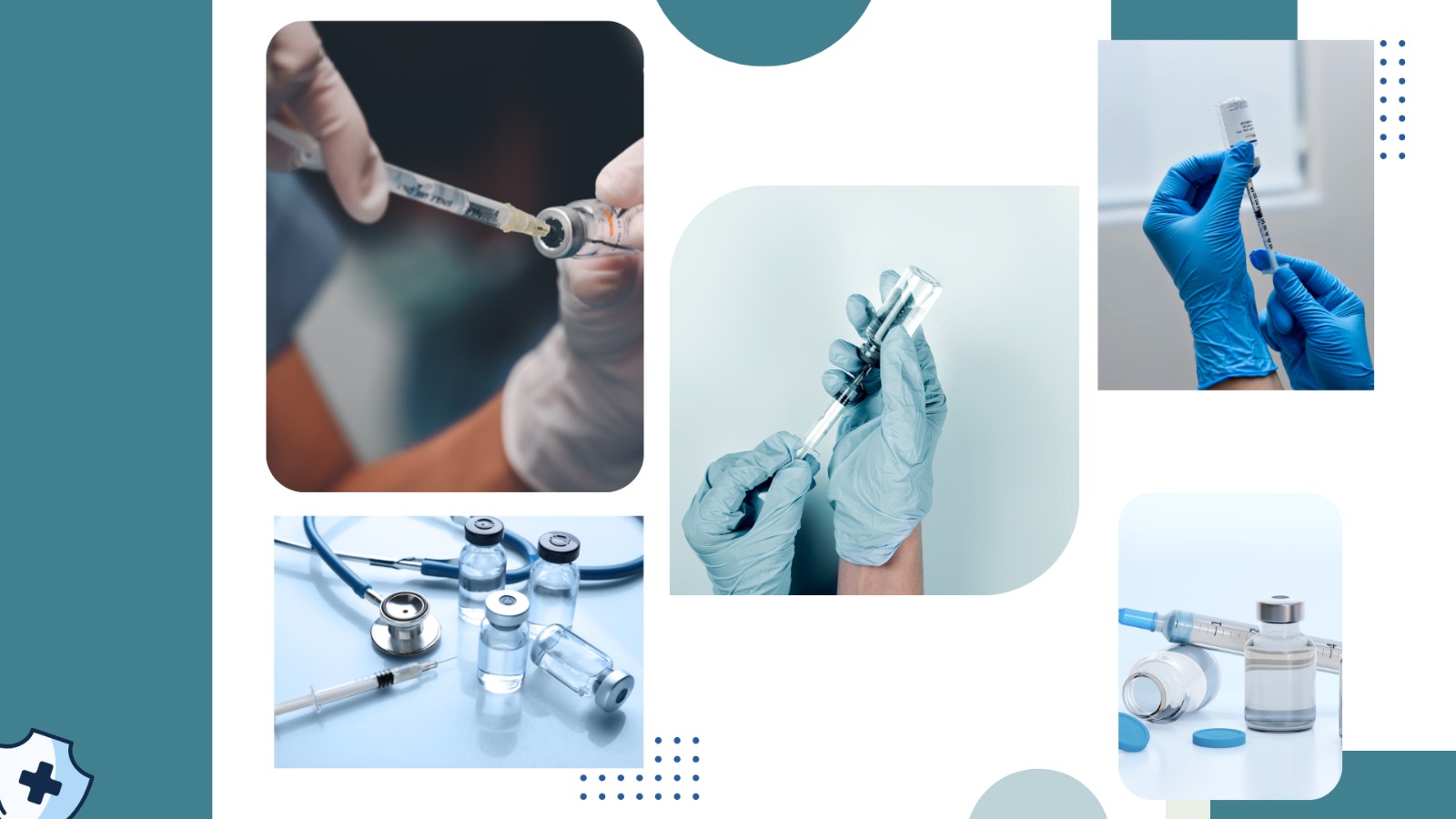
Home healthcare has seen significant growth in recent years as patients increasingly prefer receiving medical care in the comfort of their homes. Busy lifestyles, rising hospital costs, long waiting times, and the desire for personalized care have all contributed to this shift. Among the many services offered under home healthcare, one common question frequently asked by patients and caregivers is: Is it safe to take injection at home?
The answer is not a simple yes or no. Taking injections at home can be safe when done under proper medical guidance, using correct techniques, and with trained support when required. However, without the right knowledge and precautions, it can also pose serious health risks.
This comprehensive guide explains everything patients and caregivers need to know about home injections, including who can administer them, which types are safe, the importance of hygiene, and when professional home healthcare services are essential.
Understanding Home Injections
Home injections refer to medications administered outside of hospitals or clinics, usually at the patient’s residence. These injections are prescribed by doctors and may be required for short-term treatment, long-term disease management, post-surgical recovery, or elderly care.
With the advancement of medical training and availability of professional home healthcare services, many injections that once required hospital visits can now be safely given at home—provided the right protocols are followed.
What Are Home Injections?
Home injections are medical injections given in a non-clinical setting, most commonly at the patient’s home. They may involve administering medication into the skin, muscle, or bloodstream depending on the treatment plan. These injections are often part of ongoing therapies where frequent hospital visits may be inconvenient or stressful for the patient.
Home injections are commonly recommended for patients with chronic illnesses, elderly individuals, patients recovering from surgery, and those with mobility challenges.
Who Can Administer Injections at Home?
The safety of home injections largely depends on who administers them. Injections at home may be given by:
- Trained home healthcare nurses who are qualified to administer various types of injections
- Medical professionals visiting the patient at home
- Patients or caregivers, but only in specific cases where doctors allow self-administration and proper training has been provided
It is important to note that not all injections are suitable for self-administration. Complex injections should always be handled by trained professionals.
Common Medical Situations Requiring Home Injections
Home injections are commonly used in situations such as:
- Diabetes management requiring regular insulin injections
- Post-surgical recovery involving pain management or antibiotics
- Vitamin deficiencies requiring periodic injections
- Chronic illnesses that require long-term injectable medications
- Elderly care where frequent hospital visits are difficult
Types of Injections That Can Be Given at Home
Not all injections are equally safe to administer at home. The safety depends on the type of injection, the medication involved, and the patient’s overall health condition.
Subcutaneous Injections and Safety
Subcutaneous injections are given into the fatty layer just beneath the skin. These injections are generally considered the safest for home use because they are easier to administer and carry a lower risk of complications when proper technique is followed.
Common examples include:
- Insulin injections for diabetes
- Certain hormone injections
- Blood thinner injections as prescribed by doctors
With proper training, patients or caregivers can safely administer subcutaneous injections at home. Maintaining hygiene, rotating injection sites, and following dosage instructions are critical to ensure safety.
Intramuscular Injections by a only professional Nurse
Intramuscular injections are delivered deep into the muscle tissue and require more precision than subcutaneous injections. Because of the risk of nerve injury, incorrect dosage, or improper site selection, these injections should ideally be administered by trained home nurses.
Examples of intramuscular injections include:
- Vitamin B12 injections
- Certain antibiotics
- Pain relief or anti-inflammatory injections
Professional assistance ensures that the injection is given correctly, minimizing discomfort and potential complications.
Why IV Injections Need Professional Supervision
Intravenous (IV) injections deliver medication directly into the bloodstream. These injections require strict sterile conditions, accurate dosage control, and continuous monitoring.
IV injections and infusions should never be self-administered. Even when provided at home, they must be handled exclusively by qualified healthcare professionals. Improper IV administration can lead to severe complications such as infections, vein damage, or adverse drug reactions.
When Is It Safe to Take Injections at Home?
Home injections are considered safe only when certain conditions are met. Patient safety should always be the top priority.
Doctor’s Prescription and Guidance
Every injection taken at home must be prescribed by a licensed doctor. The prescription should clearly mention the medication, dosage, method of administration, and duration of treatment.
Patients should never decide on injectable medication on their own. Medical guidance ensures that the injection is necessary, appropriate, and safe for home use.
Importance of Trained Home Nurses
Trained home nurses play a crucial role in ensuring injection safety. Their responsibilities include:
- Assessing the patient’s condition before administering injections
- Following proper injection techniques
- Monitoring for immediate side effects or reactions
- Educating patients and caregivers on aftercare
For elderly patients, post-operative patients, or individuals with complex medical conditions, professional nursing support is strongly recommended.
Hygiene and Sterile Equipment
Maintaining hygiene is essential when taking injections at home. Poor hygiene can lead to serious infections and complications.
Key hygiene practices include:
- Washing hands thoroughly before and after the procedure
- Using sterile, single-use needles and syringes
- Cleaning the injection site properly
- Never reusing needles or syringes
- Disposing of sharps safely in approved containers
Following these practices significantly reduces the risk of infection.
Final Thoughts on Home Injection Safety
Taking injections at home can be safe, effective, and convenient when done responsibly. The key factors include proper medical guidance, understanding the type of injection, maintaining hygiene, and seeking professional support when required.
Patients should never compromise on safety for convenience. When administered correctly, home injections can play a vital role in recovery and long-term health management. With trusted home healthcare services, patients can receive high-quality medical care without stepping out of their homes.
Leave a Reply