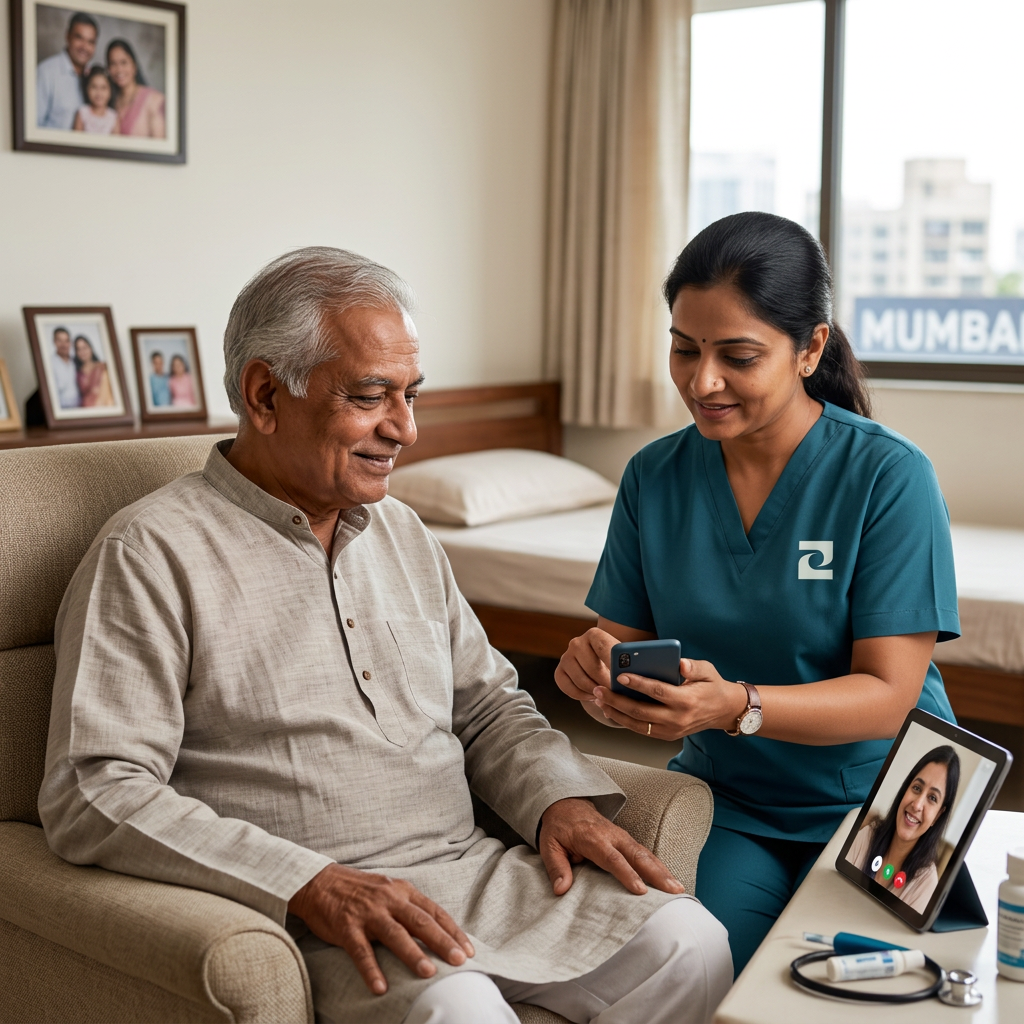
In today’s fast-paced world, it is increasingly common for working professionals to live in a different city from their parents. Career opportunities, education, and lifestyle choices often lead individuals to relocate, leaving behind aging parents who may require regular care and attention.
This distance creates a constant emotional and practical challenge. Many professionals struggle with guilt, stress, and anxiety about not being physically present when their parents need them the most. Whether it is managing a chronic illness, post-surgery recovery, or simply ensuring daily well-being, providing care from afar can feel overwhelming.
Fortunately, technology is stepping in to bridge this gap. Home nursing apps are emerging as a reliable solution, enabling working professionals to ensure quality care for their parents without being physically present. These platforms combine healthcare services with digital convenience, making remote caregiving more manageable and efficient.
The Growing Challenge of Long-Distance Caregiving
Caring for parents from another city is not just about arranging medical help—it involves emotional, logistical, and financial responsibilities.
Emotional Stress and Guilt
One of the biggest challenges faced by working professionals is the emotional burden. Being away during times of illness or emergencies can lead to feelings of helplessness and guilt. Even regular concerns like missed calls or delayed updates can create anxiety.
Lack of Immediate Support
In critical situations, the absence of immediate support can be risky. Reaching parents during emergencies may not always be possible due to travel constraints. This delay can affect timely medical intervention.
Managing Healthcare Remotely
Handling doctor appointments, medication schedules, and health monitoring from a distance is complex. Without a reliable system, it becomes difficult to stay updated on a parent’s condition.
Balancing Work and Family Responsibilities
Professionals often find it challenging to balance demanding jobs with caregiving responsibilities. Frequent travel or constant coordination can impact both personal and professional life.
Rise of Home Nursing Apps in India
Home nursing apps have gained significant popularity in India, especially in urban areas where families are often geographically separated.
What Are Home Nursing Apps?
Home nursing apps are digital platforms that connect patients with healthcare professionals such as nurses, caregivers, and therapists. These apps allow users to book services like:
- Injection and IV administration
- Post-surgical care
- Elderly care
- Physiotherapy sessions
- Regular health monitoring
All services can be scheduled and managed through a smartphone.
Why They Are Becoming Popular
The growing demand for convenience, affordability, and personalized care has driven the adoption of these apps. They offer a practical solution for families who cannot be physically present with their loved ones.
Additionally, increased smartphone usage and internet penetration have made these services more accessible across different regions.
Key Features of Home Nursing Apps
Home nursing apps are designed to simplify caregiving while ensuring quality and reliability.
Easy Booking and Scheduling
Users can book services within minutes by selecting the required care type, date, and time. This eliminates the need for multiple phone calls or physical visits.
Verified Healthcare Professionals
Most platforms ensure that nurses and caregivers are trained, certified, and background-verified. This builds trust and ensures safe care for patients.
Real-Time Updates
Many apps provide updates on the patient’s condition, including reports, vitals, and progress. This keeps family members informed, even from a distance.
Flexible Services
Users can choose from one-time visits to full-time care depending on the patient’s needs. This flexibility makes it easier to manage different health conditions.
How Home Nursing Apps Support Working Professionals
These apps are specifically beneficial for individuals managing both work and caregiving responsibilities.
Remote Monitoring and Control
Professionals can track their parents’ health through app-based dashboards. This reduces the need for constant calls and provides structured updates.
Reduced Need for Travel
Instead of traveling frequently, users can arrange professional care at home. This saves time, money, and energy.
Better Time Management
With services handled digitally, professionals can focus on their work without compromising on their parents’ care.
Quick Response in Emergencies
Many apps offer quick service booking, ensuring that help reaches the patient promptly during urgent situations.
Improving Quality of Care at Home
Home nursing apps are not just about convenience—they also enhance the quality of care.
Personalized Care Plans
Services can be tailored according to the patient’s specific needs, ensuring better outcomes.
Comfort of Home Environment
Patients often recover faster in familiar surroundings, surrounded by comfort and emotional support.
Continuity of Care
Regular visits by trained professionals ensure consistent monitoring and treatment.
Building Trust Through Technology
Trust is a major concern when arranging care from a distance. Home nursing apps address this through transparency and accountability.
Verified Profiles and Reviews
Users can check ratings and reviews before selecting a caregiver, helping them make informed decisions.
Digital Records and Reports
All medical records and service details are stored digitally, making them easily accessible.
Secure Communication
In-app communication allows users to stay connected with caregivers and service providers.
Real-Life Use Cases of Home Nursing Apps
Understanding how home nursing apps work in real situations helps highlight their value for working professionals.
Post-Surgery Care
After surgery, patients often require regular monitoring, wound dressing, and medication management. For professionals living in another city, managing this remotely can be stressful. Home nursing apps allow them to arrange trained nurses who can visit daily, ensuring proper recovery while keeping family members informed through updates.
Chronic Disease Management
Conditions like diabetes, hypertension, or respiratory issues require continuous monitoring. Through home nursing apps, professionals can schedule regular visits for vitals monitoring, medication administration, and health check-ups. This ensures stability and reduces the risk of complications.
Elderly Daily Assistance
Elderly parents may need help with daily activities such as mobility, hygiene, and medication reminders. Home nursing apps provide caregivers who assist with these needs, improving the patient’s quality of life while offering peace of mind to family members.
Emergency Support
In urgent situations, quick access to medical help is crucial. Many home nursing apps offer rapid booking options, ensuring that a nurse or caregiver reaches the patient as soon as possible. This can be critical in managing sudden health issues.
Challenges and Limitations
While home nursing apps offer numerous benefits, there are certain challenges that users should be aware of.
Dependence on Technology
Not all parents are comfortable using smartphones or apps. In such cases, family members or caregivers need to assist in managing bookings and communication.
Availability in Smaller Cities
Although these services are expanding, availability may still be limited in rural or semi-urban areas. This can restrict access for some families.
Quality Variations
The quality of service can vary depending on the platform and the assigned caregiver. It is important to choose trusted providers with verified professionals.
Internet and Connectivity Issues
Reliable internet access is essential for app functionality and real-time updates. Connectivity issues can sometimes disrupt communication.
Tips for Choosing the Right Home Nursing App
Selecting the right platform is crucial for ensuring safe and effective care.
Check Credentials and Verification
Always choose apps that provide verified and certified healthcare professionals. Background checks and proper training are essential for patient safety.
Read Reviews and Ratings
User feedback gives insight into service quality. Reviews can help identify reliable platforms and avoid potential issues.
Compare Services and Pricing
Different apps offer different packages. Compare services, pricing, and flexibility to find the best fit for your needs.
Look for Transparent Communication
Choose platforms that provide clear updates, reports, and easy communication with caregivers.
Ensure Emergency Support Availability
Check whether the app offers quick response services in case of emergencies. This adds an extra layer of security.
Emotional Benefits for Working Professionals
Beyond practical advantages, home nursing apps also provide emotional relief.
Reduced Anxiety
Knowing that a trained professional is taking care of parents helps reduce constant worry and stress.
Peace of Mind
Regular updates and communication create a sense of control, even from a distance.
Better Work-Life Balance
Professionals can focus on their careers without compromising on family responsibilities.
Strengthened Family Trust
Parents feel more secure knowing that their children have arranged proper care, strengthening emotional bonds.
Future of Remote Caregiving in India
The role of home nursing apps is expected to grow significantly in the coming years.
Integration with Advanced Technologies
Future platforms may integrate features like AI-based health monitoring, wearable device tracking, and predictive alerts for potential health risks.
Expansion to Smaller Cities
As demand increases, these services are likely to expand beyond major urban areas, making them accessible to a wider population.
Improved User Experience
Apps will continue to become more user-friendly, ensuring that even elderly users can navigate them easily.
Stronger Healthcare Ecosystem
Collaboration between hospitals, doctors, and home care providers will create a more connected and efficient healthcare system.
The Role of Technology in Strengthening Family Care
Technology is not replacing family care—it is enhancing it. Home nursing apps act as a bridge, ensuring that distance does not compromise the quality of care.
They enable professionals to stay involved in their parents’ healthcare decisions, monitor their well-being, and respond quickly to any concerns. This creates a balanced approach where technology supports emotional and physical care.
Conclusion
Caring for parents from a different city is one of the most challenging responsibilities for working professionals. The combination of emotional concern, logistical difficulties, and time constraints can make remote caregiving overwhelming.
Home nursing apps provide a practical and effective solution by bringing professional healthcare services directly to the patient’s home. They offer convenience, reliability, and transparency, making it easier to manage care from a distance.
While challenges such as technology adoption and service availability still exist, the benefits far outweigh the limitations. As these platforms continue to evolve, they will play an even more important role in supporting families across India.
For working professionals, home nursing apps are not just a service—they are a way to stay connected, responsible, and caring, no matter the distance.
Leave a Reply